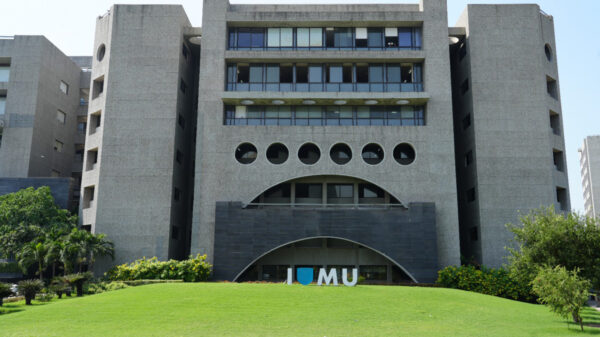













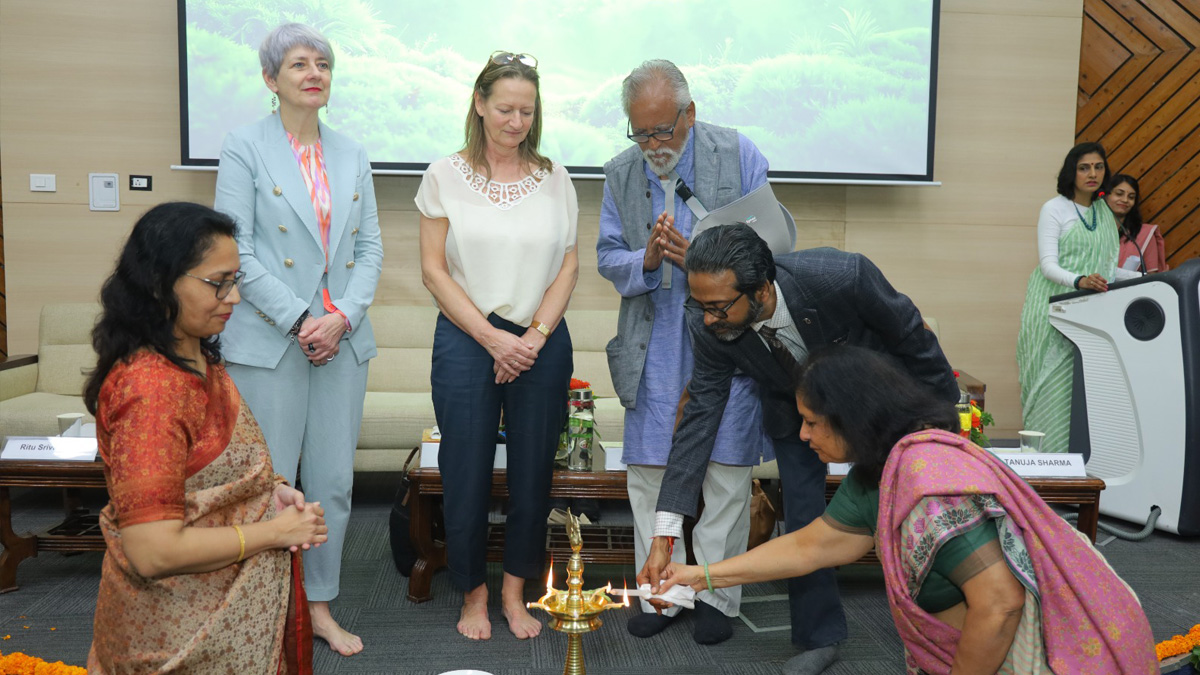
As environmental, social and governance metrics increasingly shape how companies are assessed, conversations are shifting from compliance to a deeper structural question: how should businesses operate in the first place? That question framed the opening of a four-day academic programme at MDI Gurgaon, themed “Beyond Sustainability: Creating and Sustaining Regenerative Businesses.”
Held in Gurgaon, the event began with the International Doctoral & Early-Career Academics Consortium and will culminate in the 2nd ICCMRO International Conference 2026. The programme brings together doctoral researchers, journal editors, faculty members and industry representatives to examine regenerative business models, ESG-oriented governance, and the evolving responsibilities of management education.
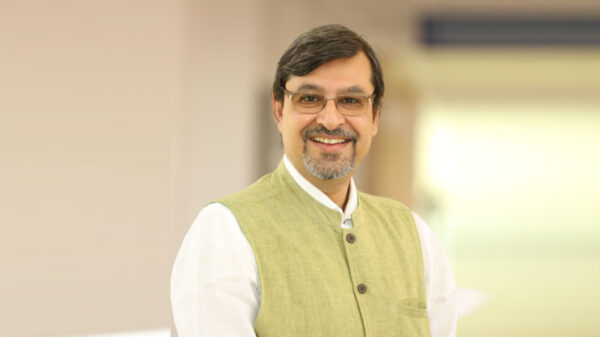
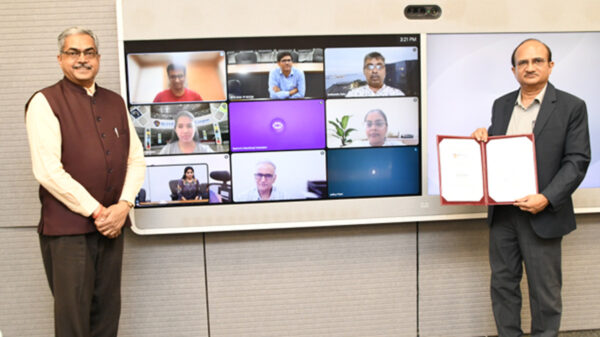
The opening remarks were delivered by faculty members Prof. Tanuja Sharma and Prof. Ritu Srivastava, followed by an address from Arvind Sahay. He argued that management research must influence real-world decision-making rather than remain confined to academic discourse. Research, he said, should interrogate how value is created and governed, and contribute frameworks that shape enterprise behaviour in practice.


He also echoed Gandhian ideas of trusteeship, calling for business managers to see themselves as custodians who pursue moral capitalism and long-term societal welfare instead of profit maximisation alone. Through platforms such as the consortium and ICCMRO, he emphasised, the aim is to strengthen scholarly rigour while supporting research that informs ethical and environmentally aligned management.
Keynotes offered varied perspectives. Anil Gupta highlighted grassroots innovation and community-driven approaches to regeneration. Karen Maas examined evolving sustainability reporting frameworks and the methodological challenges of ESG measurement.
A panel on business ethics brought together Abhishek Chandra and Harry Van Buren, who discussed governance norms and whether academic research can meaningfully guide corporate sustainability practice.
Prof. Sharma, Chairperson of CERO at MDI Gurgaon, noted that sustainability scholarship is moving beyond checklists toward deeper inquiry into systems, governance and long-term value creation. Academic spaces such as doctoral consortia, she said, play a key role in testing ideas and strengthening methodological depth.
Participants throughout the programme are engaging in sessions on research design, community-engaged scholarship and publication strategy, alongside masterclasses aimed at sharpening theoretical framing. These exchanges will lead into the ICCMRO conference, featuring paper presentations and plenaries on stakeholder accountability, climate disclosures and governance across sectors.
The event reflects a larger movement within management research: shifting from sustainability as compliance to a more fundamental interrogation of how enterprises can be designed to generate enduring economic, social and ecological value.
Author