




















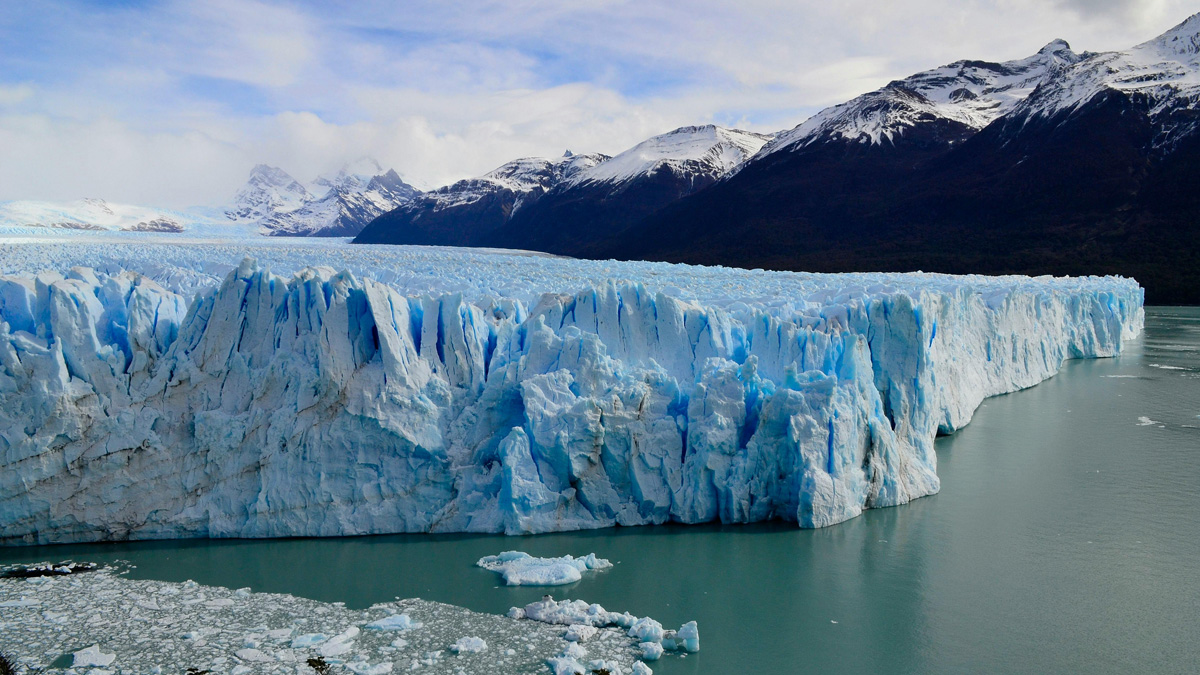
Glaciers worldwide continued to shrink at an alarming pace in 2025, with a net mass loss of 408 ± 132 gigatonnes—equivalent to about 1.1 mm of global sea-level rise. The findings, compiled by the World Glacier Monitoring Service, highlight a sustained acceleration in ice loss over recent decades.
The most severe regional losses were recorded in Western Canada and the United States, Iceland, and Central Europe, while the largest contributions to global loss came from High Mountain Asia, Alaska, and the Russian Arctic. Scientists note that glacier melt rates have sharply increased—from less than 100 gigatonnes annually in the late 20th century to nearly 390 gigatonnes per year over the past decade.
Since 1975, glaciers have lost nearly 9,600 gigatonnes of ice, significantly contributing to rising sea levels. Six of the most severe melt years on record have occurred in just the past seven years, underscoring the intensifying impact of climate change.


Researchers warn that gaps remain in monitoring key regions such as the Hindu Kush Himalaya, where glaciers are critical to water security for nearly two billion people. Strengthening long-term observation systems will be essential for improving climate projections and risk assessment.
Author