
















Scientists at the Indian Institute of Technology (IIT) Mandi have uncovered a fascinating cellular response in plants exposed to anaesthesia, offering fresh insights into one of biology’s biggest mysteries — consciousness. The findings, published in Advanced Biology (2025) and Chemical & Biomedical Imaging (2026), reveal that plant cells undergo a highly coordinated internal reorganisation despite lacking a brain or nervous system.
The research was led by Prof. Laxmidhar Behera, Director of IIT Mandi, along with Prof. Chayan Kanti Nandi and their team. Using advanced live-cell microscopy, the scientists studied tomato (Solanum lycopersicum) and brinjal (Solanum melongena) plants to understand how anaesthesia affects living cells outside the animal kingdom.
Their experiments showed that when plants are exposed to anaesthesia, different cellular components shut down in a precise sequence. Mitochondria, lysosomes, vesicle transport systems, chloroplasts and finally the nucleus become inactive in an orderly cascade. Once the anaesthetic is removed, the recovery follows the exact reverse order, with the nucleus acting as the master controller that restores normal cellular activity.


The study also focused on the plant root apex, often described under the “root brain” hypothesis as the plant’s sensory and information-processing centre. Researchers found that this region is particularly suited to studying coordinated cellular behaviour because of its transparent tissues and organised cellular structure.
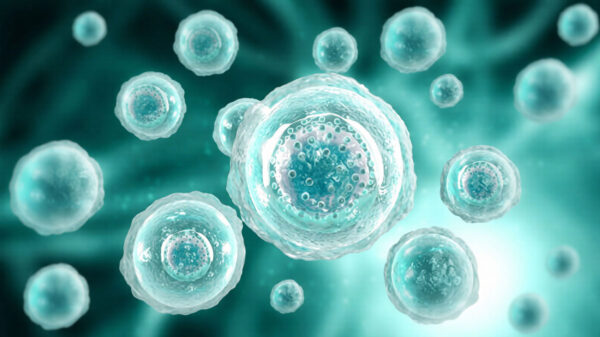
One of the most striking discoveries came from observing the cell nucleus. Under normal conditions, nuclei move independently. During anaesthesia, however, nuclei across different plant cells reorganised simultaneously. The active DNA, known as euchromatin, shifted together to the outer edge of each nucleus while inactive heterochromatin remained unchanged. The researchers suggest this synchronised nuclear behaviour could represent a universal cellular biomarker of the anaesthetised state, potentially shared across both neuronal and non-neuronal life forms.
Prof. Behera noted that the findings also resonate with concepts from Indian Knowledge Systems, which describe consciousness as a fundamental property present throughout living matter rather than being confined to the brain.
The team has now extended its research to C. elegans, a microscopic roundworm, to investigate whether similar nuclear changes occur in organisms with simple nervous systems. If confirmed, the discovery could reshape scientific understanding of how consciousness and anaesthesia operate across life.
Author