

















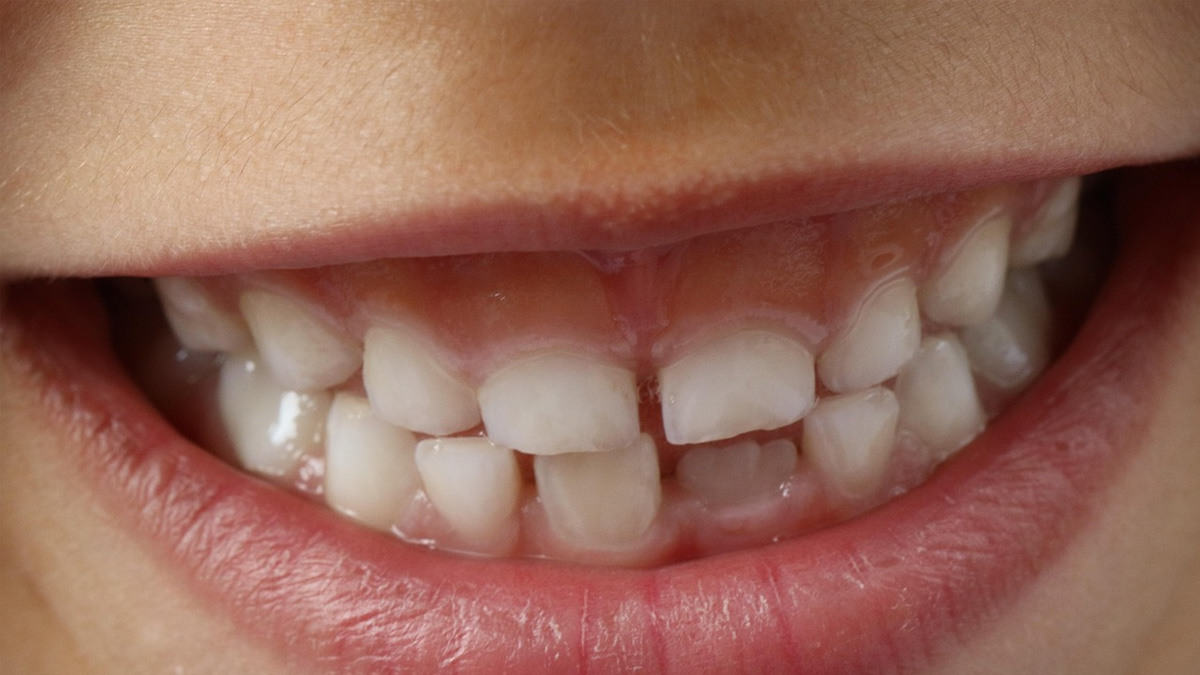
Scientists have developed a fluoride-free dental gel that can regenerate damaged tooth enamel, offering a promising new approach to preventing tooth decay, reducing sensitivity and restoring worn teeth.
The breakthrough, developed by researchers at the University of Nottingham, was published in Nature Communications. Inspired by the natural process through which enamel forms during infancy, the gel mimics key proteins involved in tooth development, enabling it to rebuild the tooth’s protective outer layer—something the human body cannot naturally do once enamel is lost.
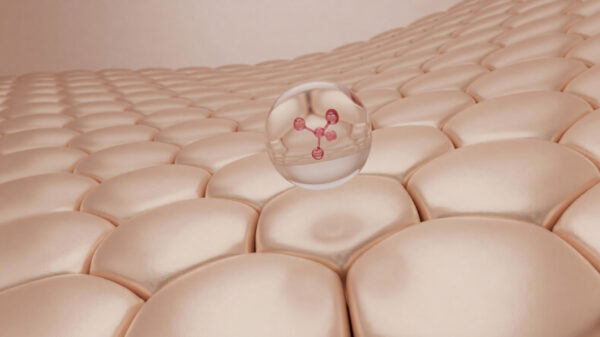
Unlike conventional fluoride treatments, which strengthen existing enamel but cannot replace it, the new gel creates a thin protective coating that penetrates microscopic cracks and damaged areas on the tooth surface. It then attracts calcium and phosphate naturally present in saliva, guiding the growth of new mineral crystals that integrate seamlessly with the tooth’s original structure through a process known as epitaxial mineralization.


Researchers say this organised crystal growth closely replicates healthy enamel, restoring both its microscopic architecture and its mechanical strength.
The gel may also provide relief for people with tooth sensitivity caused by exposed dentine—the softer layer beneath enamel. By forming an enamel-like mineral coating over exposed dentine, the treatment could reduce pain triggered by hot, cold or sweet foods while also improving the surface for dental restorations such as fillings.
To evaluate its durability, scientists subjected the regenerated enamel to conditions that mimic everyday use, including tooth brushing, chewing and exposure to acidic foods. The regenerated tissue demonstrated mechanical properties comparable to those of healthy natural enamel, suggesting it could withstand the normal stresses of daily life.
Enamel loss affects nearly half of the global population and is a major contributor to cavities, tooth sensitivity and other oral health conditions. Since enamel contains no living cells, it cannot repair itself once damaged, making prevention and restoration particularly challenging.
The research team believes the technology could eventually be incorporated into a range of dental products, including professional treatments for enamel erosion, therapies for sensitive teeth and materials that improve the durability of dental restorations.
The researchers have already begun commercial development through their start-up company, Mintech-Bio, with the aim of launching the first clinical product as early as next year. If successful, the innovation could mark a major advance in restorative dentistry and improve oral health for millions of people worldwide.
Author