


















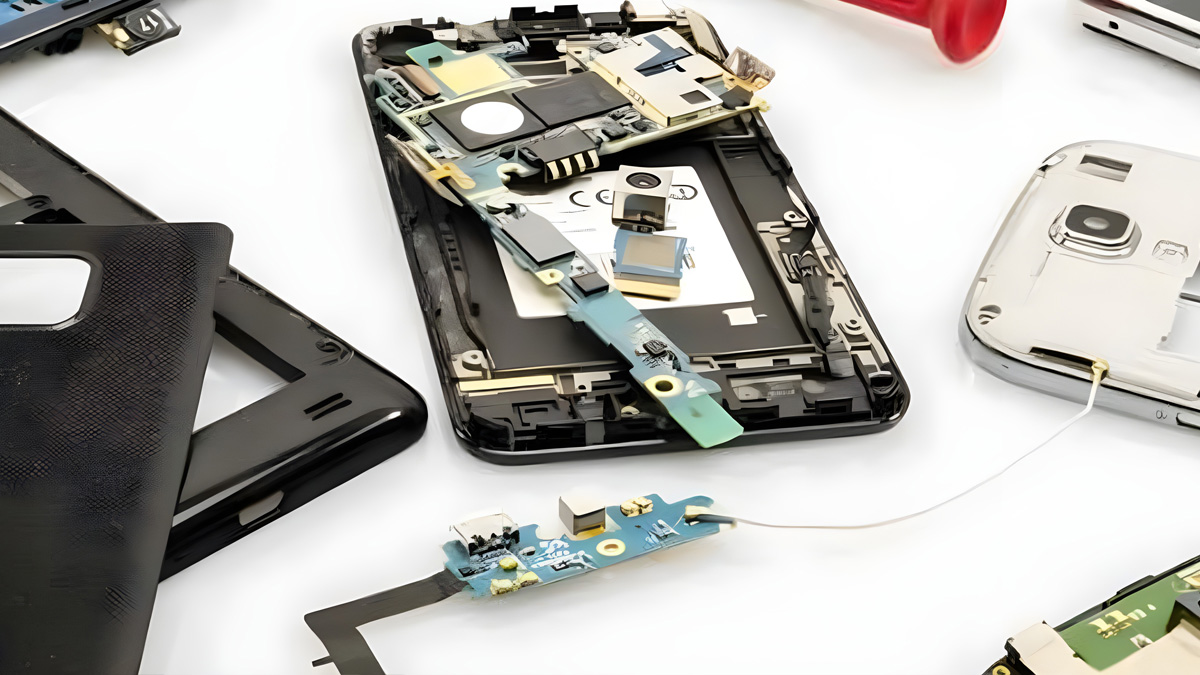
A smartphone may fit in your pocket, but it is one of the most chemically complex devices ever created. Scientists estimate that a typical smartphone contains more than 70 elements from the periodic table, over half of all naturally occurring elements.
Silicon powers the computer chips, lithium and cobalt store energy in the battery, copper carries electrical signals, and tiny amounts of gold ensure reliable electrical connections because it resists corrosion. Rare-earth elements such as neodymium create powerful magnets for speakers and vibration motors, while indium helps make touchscreen displays responsive and transparent.
Because many of these elements are scarce and difficult to extract, recycling old smartphones has become increasingly important. Recovering valuable metals reduces mining, conserves natural resources and lowers environmental impacts.

Every time you send a message, watch a video or take a photo, you are using a remarkable combination of chemistry, physics and engineering.
Author