













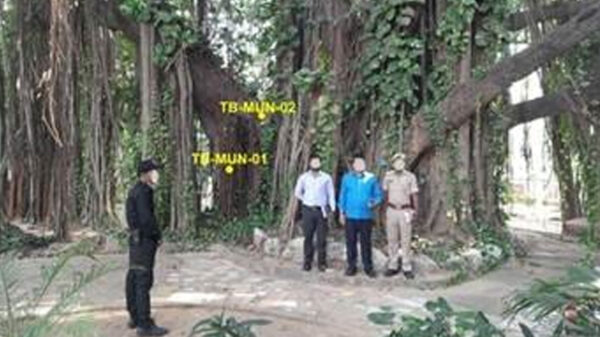


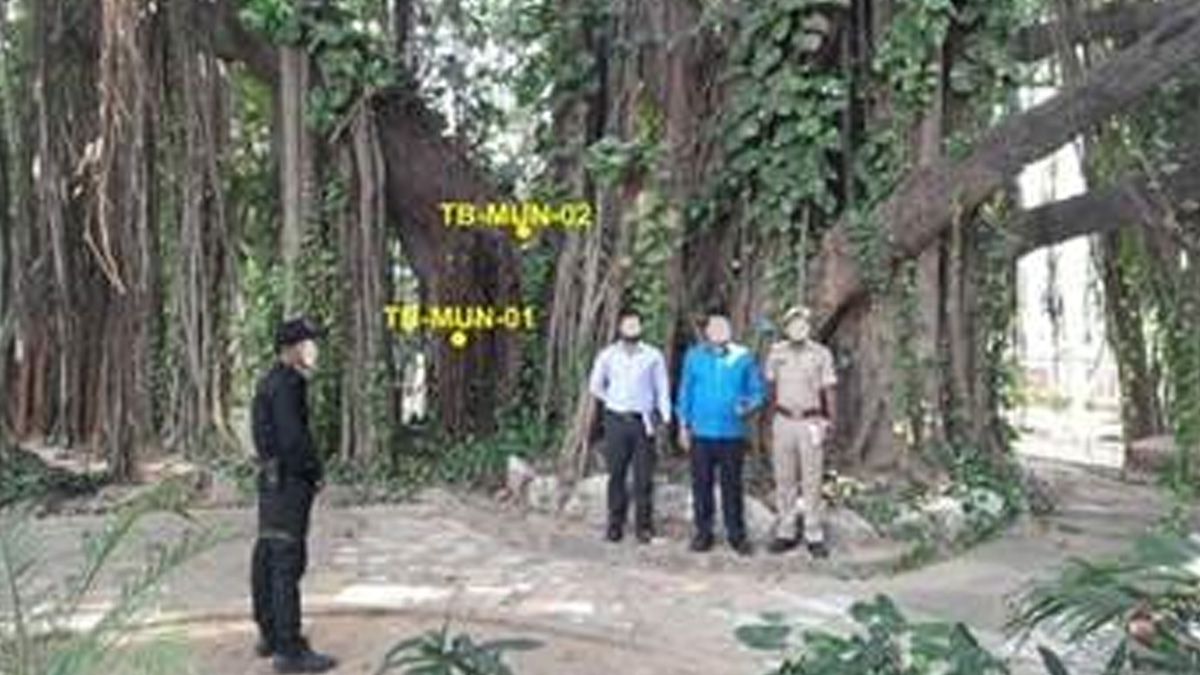
Banyan trees are among India’s most iconic and long-lived trees. However, accurately determining their age has always been a challenge. Unlike many temperate trees, banyan trees do not produce distinct annual growth rings, making conventional tree-ring dating impossible. As a result, their ages have traditionally been estimated using folklore, historical records or local legends rather than scientific evidence.
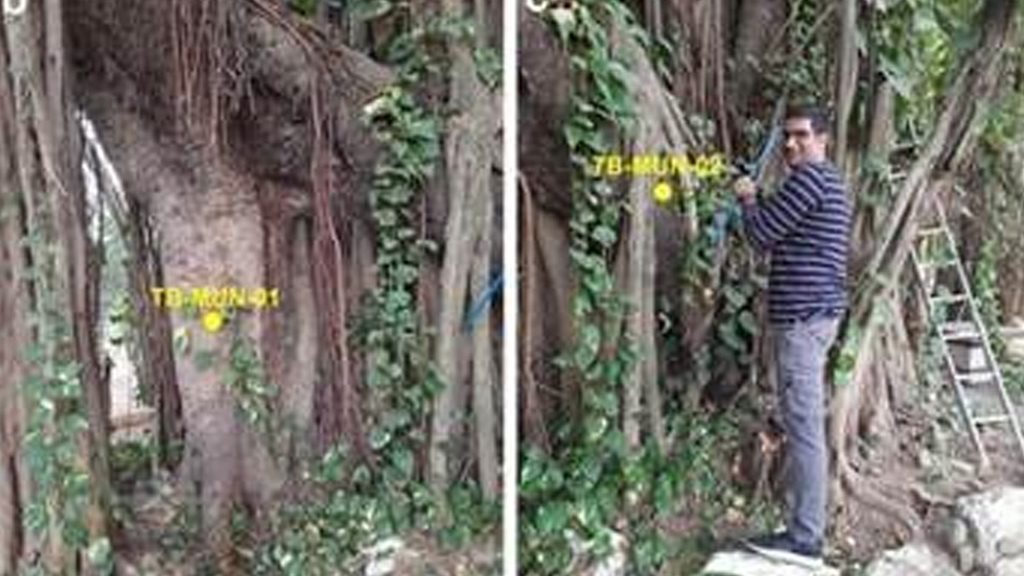
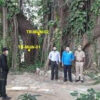
Now, researchers have identified the oldest accurately dated banyan tree (Ficus benghalensis) in India. Located in Munger, Bihar, the tree is estimated to be around 700 years old using radiocarbon dating. The study was led by Dr. Trina Bose of the Birbal Sahni Institute of Palaeosciences, Lucknow, in collaboration with Dr. Mayank Shekhar and Dr. Akhilesh K. Yadava, following a request from the Bihar Forest Department.
The team extracted alpha-cellulose, the most stable component of plant cell walls, from wood samples collected near the tree’s oldest tissues. Using Accelerator Mass Spectrometry (AMS) radiocarbon dating, along with the IntCal20 calibration curve and OxCal software, they established a reliable age estimate. The breakthrough provides a scientific method for dating tropical broadleaf trees, offering new opportunities to study India’s ancient trees, understand forest history and strengthen efforts to conserve these remarkable living monuments.
Author