











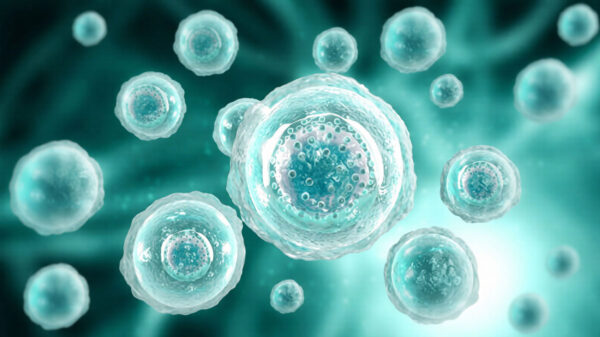





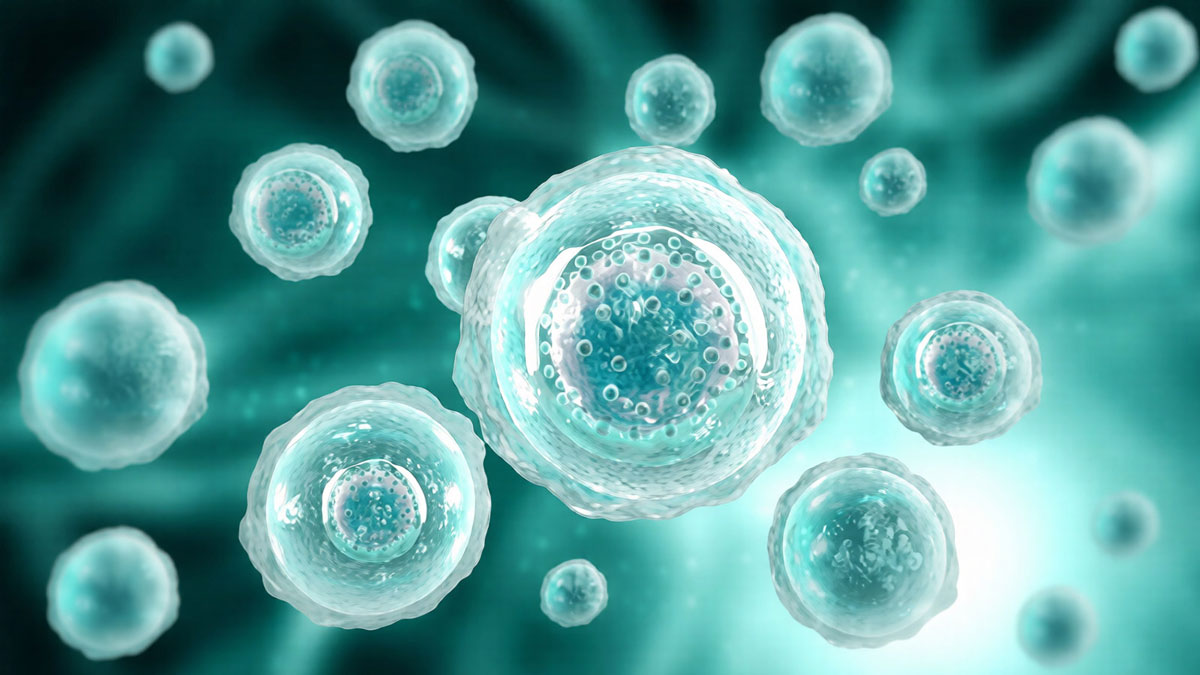
Researchers at the University of Minnesota have achieved a major milestone by creating SpudCell, a synthetic cell assembled entirely from non-living chemical components that can grow, replicate its DNA and divide into new cells.
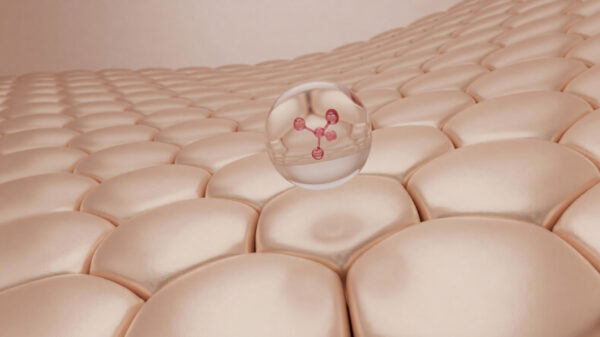
Unlike natural cells, which evolved over billions of years, SpudCell was designed in the laboratory using artificial membranes, a synthetic genome and the molecular machinery needed to produce proteins. The research team engineered tiny feeder vesicles that supply nutrients to the cell, enabling it to carry out essential life-like functions and complete multiple cycles of growth and division. SpudCell cannot survive independently outside carefully controlled laboratory conditions.
The breakthrough offers a powerful platform for understanding how life may have first emerged on Earth. It could also transform biotechnology by enabling scientists to design custom-made cells that manufacture medicines, detect environmental pollutants or deliver targeted therapies. By recreating life’s basic processes in the laboratory, researchers are gaining new insights into the fundamental principles that make living organisms possible.


Author