








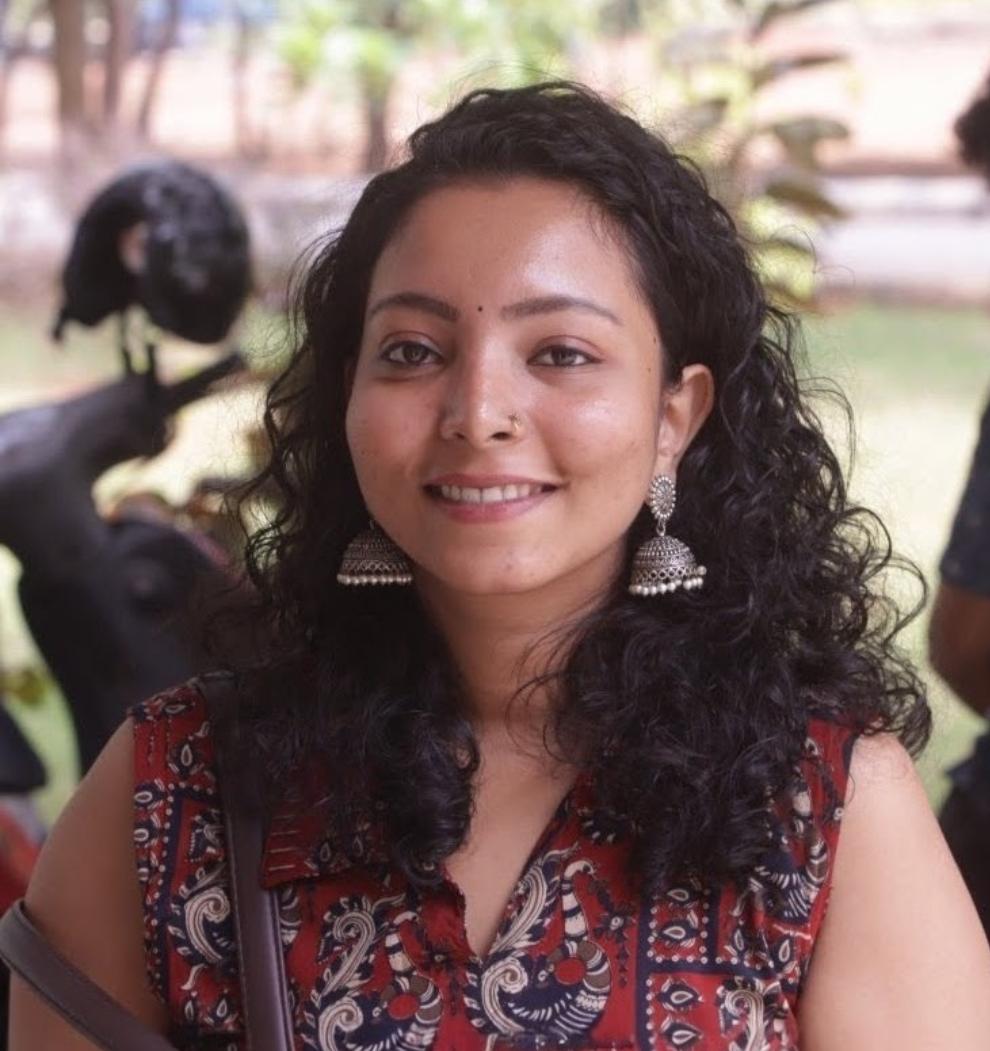


A teenager struggling emotionally may not always know how to explain what is wrong. Bengaluru student Imaan Zara Khan, 16, explores this difficulty in Unspoken, a short film that premiered in Bengaluru on October 9, ahead of World Mental Health Day on October 10.
Written and directed by Imaan Zara Khan, the short film explores why teenagers may struggle to express emotional distress. Her student-led Project S.A.F.E. is scheduled for a presentation at the United Nations Office in Geneva in November.
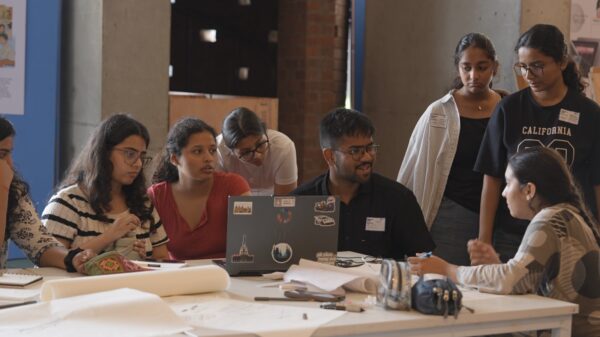
Written and directed by Imaan, a Grade 11 student at Indus International School, the film follows four teenagers from different geographical, cultural and socioeconomic backgrounds. Their experiences centre on a shared difficulty: recognising, understanding and expressing their emotional struggles.


The film’s private premiere at Prestige Falcon Towers brought together around 100 invited guests from education, research, mental healthcare, public policy and the media, along with the cast and crew. A panel discussion after the screening focused on adolescent mental health, early recognition of distress and the support young people need.The film features an all-student cast making their acting debuts, placing student voices at the centre of its portrayal of teenage experiences.
From filmmaking to school-based advocacy
Unspoken is part of Project S.A.F.E. (Student Advocacy for Emotional Well-Being), a student-led initiative founded by Imaan that combines research, storytelling and advocacy to strengthen mental health support in schools.
According to the press release, the project draws on Imaan’s ongoing research under academic mentorship, including guidance from experts at the National Institute of Mental Health and Neuro Sciences (NIMHANS). The film is intended to initiate guided discussions, encourage student reflection and support research-based evaluation.


The initiative’s focus extends beyond encouraging teenagers to talk about their feelings. It also examines whether schools and other institutions can recognise distress and respond appropriately.
“We keep telling young people to speak up, but what happens when you don’t have the words for what you’re feeling?” Imaan said. “I wanted to show that silence doesn’t always mean everything is okay.”
Project S.A.F.E. to be presented at the UN
Imaan’s work is also moving to an international platform. She spoke at the United Nations Economic and Social Council (ECOSOC) Youth Forum in New York in April 2026, contributing to discussions on youth-led change. Project S.A.F.E. is scheduled for a presentation at the United Nations Office in Geneva in November.
Karnataka Health and Family Welfare Minister U.T. Khader, who could not attend the Bengaluru premiere, conveyed his support for the initiative. He encouraged schools to create environments where young people can discuss mental health without stigma and seek help when needed.
The premiere brought together professionals from education, healthcare and research, including developmental paediatrician Nandini Mundkur and psychiatrist Jothi Neeraj, alongside school leadership and social impact representatives.
The event’s emphasis on collaboration reflects a practical challenge in adolescent mental health: identifying a problem is only the first step. Young people also need trusted adults, appropriate professional support and school environments in which asking for help does not carry the risk of ridicule or exclusion.
For Imaan, Unspoken offers one way to open that conversation. Project S.A.F.E.’s broader ambition is to connect those conversations with stronger support systems for students.
Author