

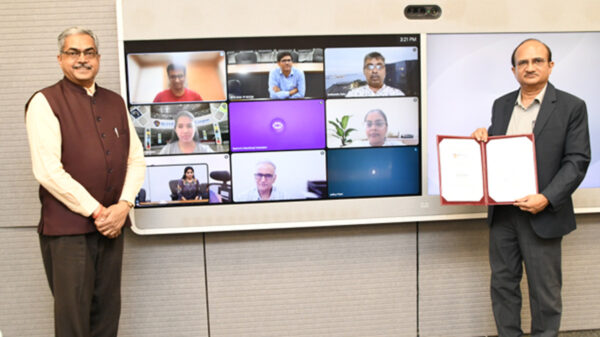






In a step toward strengthening prosthetic care and rehabilitation in India, Motorica India recently partnered with Pt. Deen Dayal Upadhyaya National Institute for Persons with Physical Disabilities (DIVYANGJAN) (PDUNIPPD) to conduct a three-day Continuing Rehabilitation Education (CRE) programme.
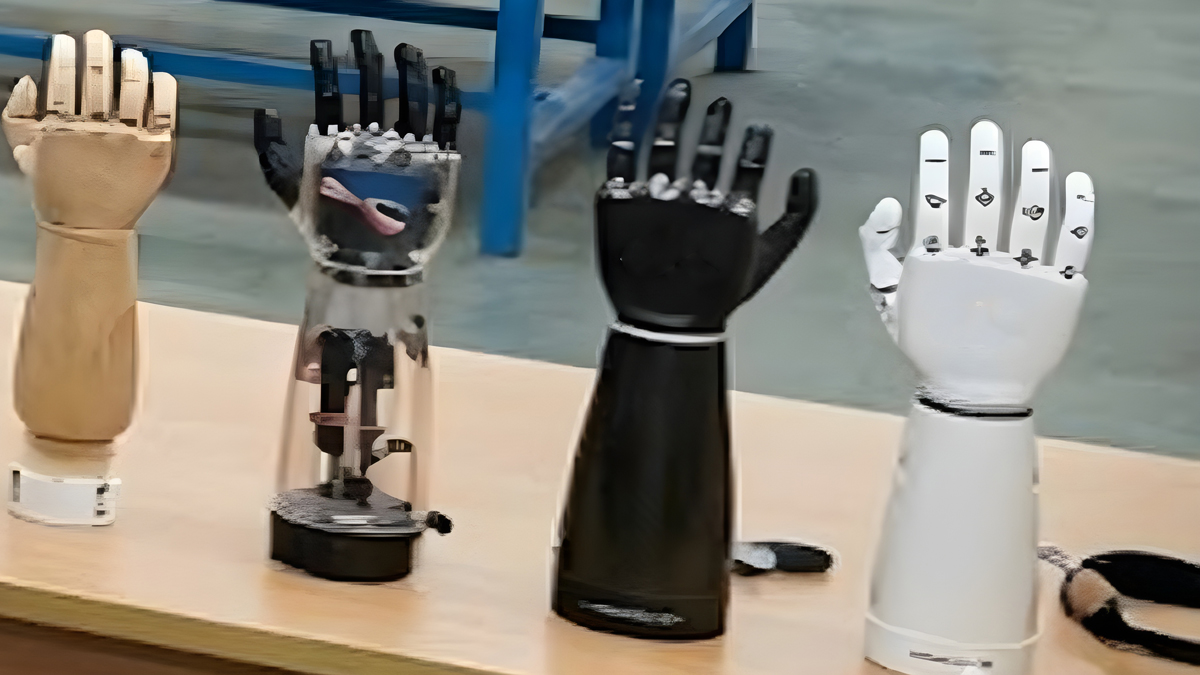
The training programme focused on advancements in socket technology for trans-humeral myoelectric prostheses, bringing together students, clinicians, prosthetists, orthotists, and academic professionals from across the country. Designed as a collaborative initiative, it combined PDUNIPPD’s clinical expertise with Motorica’s technical knowledge to provide hands-on learning and real-world exposure.
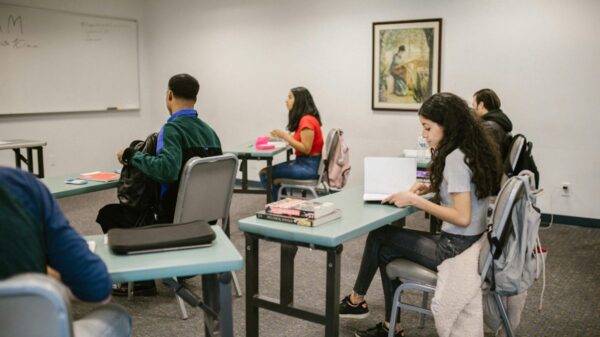
Participants engaged in demonstrations, workshops, and lab-based sessions that explored modern approaches to socket design, material selection, and device customisation. The aim was to improve comfort, functionality, and long-term adoption of prosthetic devices for users.

A key highlight of the programme was live electromyography (EMG) assessments. Using Motorica’s systems, attendees observed how muscle signals are captured and translated into prosthetic movement. This practical exposure helped deepen understanding of patient-specific calibration, clinical fitting, and rehabilitation processes.
The sessions moved from theory to application, covering casting techniques, lamination, fitting trials, and functional testing. Participants also gained experience with app-based tuning and patient training simulations, reflecting the increasing role of digital tools in prosthetic care.
According to experts, continuous upskilling is critical in a field that is rapidly evolving. The programme aimed to equip the next generation of prosthetists and orthotists with the skills and confidence needed to work with emerging technologies while improving patient outcomes.
This initiative is part of Motorica India’s broader effort to support India’s prosthetics ecosystem through education-led programmes. The organisation has also introduced structured learning opportunities under its University of Medical Cybernetics, offering online lectures to Indian professionals.
By fostering collaboration between institutions and technology providers, such programmes are expected to play a vital role in enhancing rehabilitation services and improving quality of life for persons with disabilities in India.
Author