









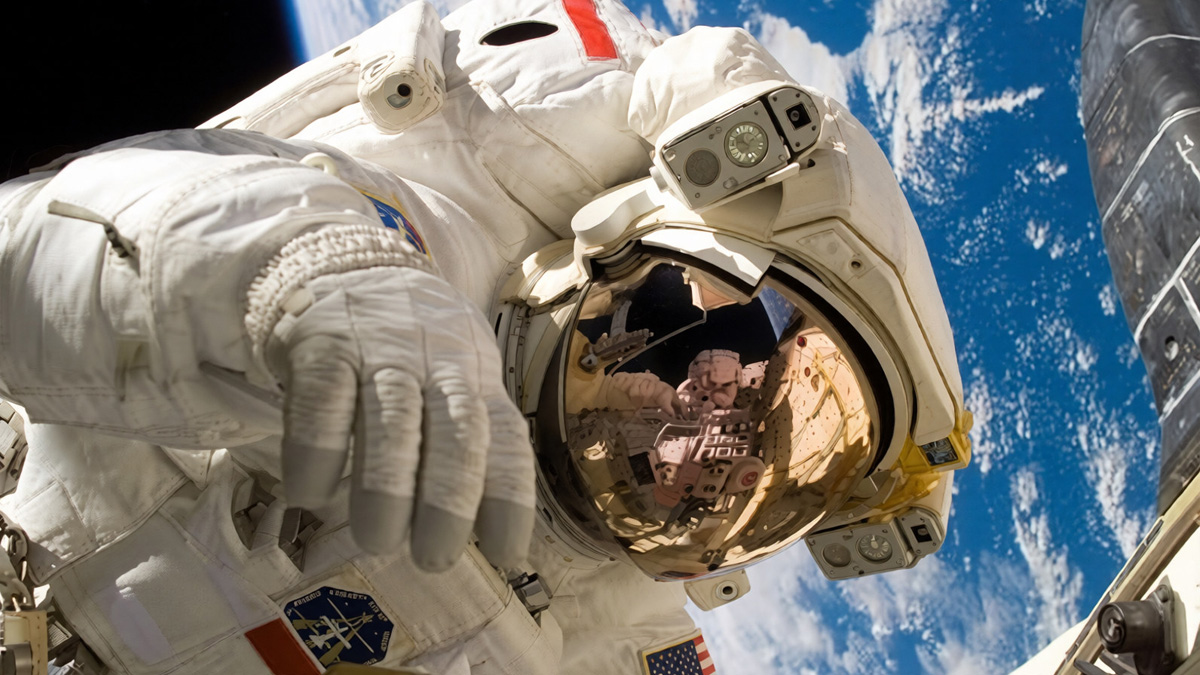
NASA Cosmic Origins AI/ML Science and Technology Interest Group has released Deep Learning for Astrophysics, a free, open-access textbook that introduces students and researchers to the use of AI in space science. The textbook contains 23 chapters written by experts from NASA, universities and research institutions worldwide. It explains the fundamentals of deep learning and demonstrates how AI can identify galaxies, classify stars, detect exoplanets, study black holes and analyse images from modern telescopes.
The book also includes practical coding notebooks, allowing learners to apply machine learning techniques to real astronomical data. Unlike traditional textbooks, the resource combines theory with hands-on experience, making it suitable for university students, early-career researchers and anyone interested in the intersection of artificial intelligence and astronomy. Because it is freely available online, learners around the world can access the same tools used by professional scientists.
The initiative reflects a growing trend in scientific education, where AI is becoming an essential research skill. By making advanced knowledge openly available, NASA is helping prepare the next generation of scientists to explore the universe using the powerful technologies shaping the future of discovery.
Author