














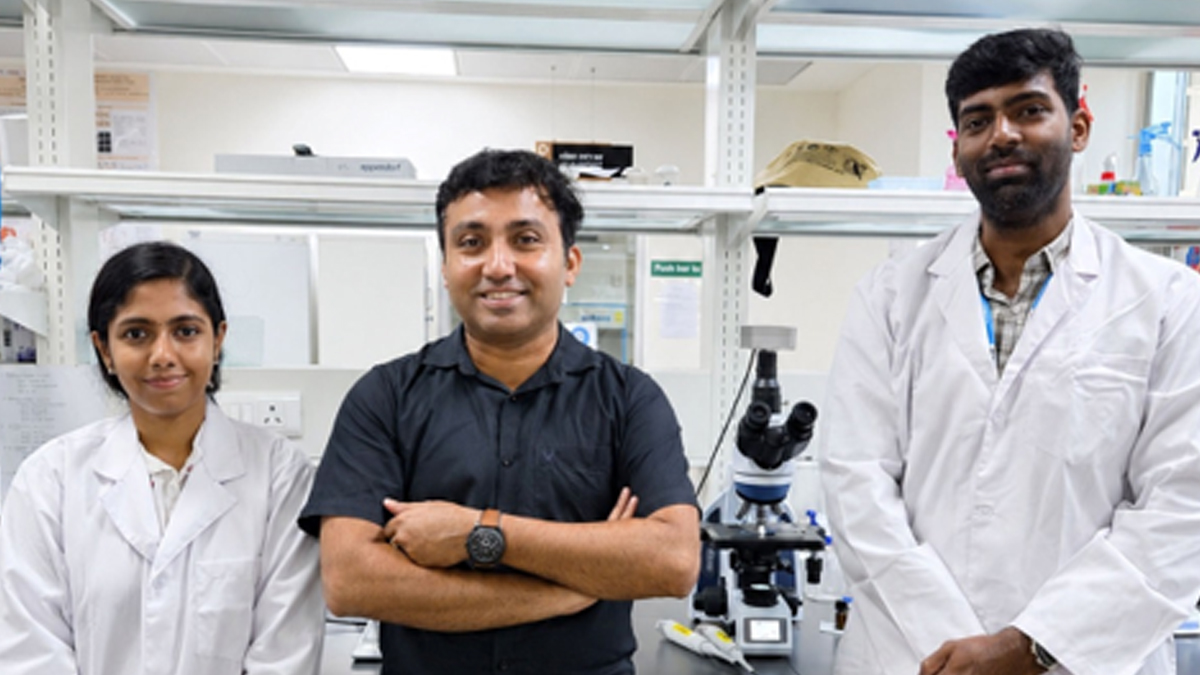
Scientists at the Rajiv Gandhi Centre for Biotechnology have identified a previously unknown mechanism that allows malaria parasites to survive treatment with artemisinin, the world’s most widely used anti-malarial drug, offering fresh insights into one of the biggest challenges in malaria treatment. The findings, published as an Editor’s Choice article in the The Journal of Infectious Diseases, reveal that young red blood cells known as reticulocytes create a protective biochemical environment that helps malaria parasites withstand the oxidative stress induced by artemisinin-based therapies.
The study, led by researcher Christeen Davis and colleagues, challenges the prevailing belief that artemisinin resistance is primarily driven by genetic mutations within the parasite. Instead, it demonstrates that the characteristics of the host cell can significantly influence how effectively treatment works.
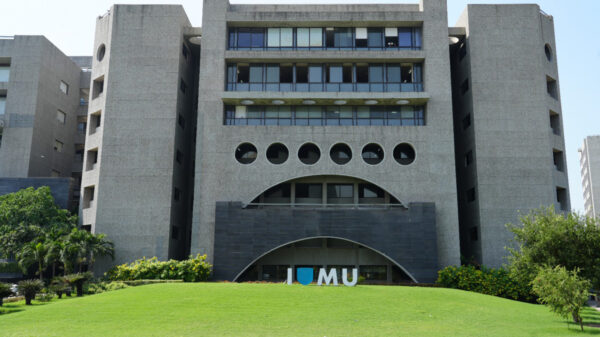
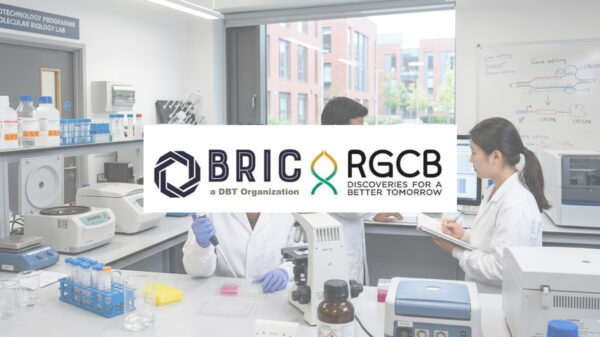
The research was conducted at BRIC-RGCB, an institute under the Biotechnology Research and Innovation Council, in collaboration with scientists from Indian Institute of Science Education and Research Thiruvananthapuram, Cosmopolitan Hospital and CSIR-National Chemical Laboratory.

“Our findings demonstrate that the biology of the host cell can significantly influence how malaria parasites respond to treatment,” said Dr Rajesh Chandramohanadas, Principal Investigator at RGCB and senior author of the study. According to him, the parasite exploits the natural antioxidant defences present in young blood cells to protect itself from drug-induced stress.
Using highly purified human reticulocytes and advanced analytical techniques, researchers discovered that these immature blood cells are rich in nutrients, antioxidants and protective enzymes. Malaria parasites infecting reticulocytes were found to grow faster and display significantly lower susceptibility to artemisinin and related compounds than parasites residing in mature red blood cells.
Importantly, the protective effect disappeared when parasites were transferred back into mature red blood cells, confirming that the phenomenon is linked to the host cell environment rather than permanent genetic changes within the parasite.
Dr Beena Pillai, Director of BRIC-RGCB, said the findings could help explain cases where malaria infections persist or clear slowly despite treatment and in the absence of known genetic markers of drug resistance.
Researchers believe the discovery could pave the way for new therapeutic approaches that target host-parasite interactions, potentially improving the effectiveness of existing anti-malarial drugs and reducing treatment failures. The study also highlights a broader principle in infectious disease research—that the success of pathogens can depend not only on their genetics but also on the physiological state of the host cells they infect.
Author