











India’s remarkable progress in immunisation coverage is now sparking a broader conversation around the importance of adult vaccination, with public health experts urging greater awareness and preventive healthcare measures for adults.
According to data highlighted during National Vaccination Day 2026, Rajasthan has emerged as a success story in immunisation, with vaccination coverage rising from 21.1 percent in 1992-93 to 91.8 percent in 2024-25. The state has also remained polio-free since 2009, contributing significantly to improvements in maternal and infant health outcomes. Nationally, India’s full immunisation coverage has increased from 62 percent in 2015 to an impressive 98.4 percent by January 2026, reflecting the success of sustained public health interventions and expanded healthcare access.
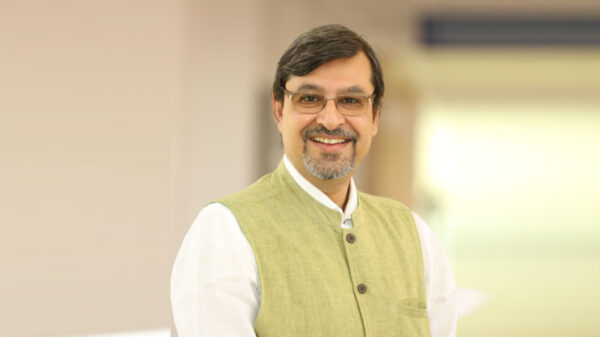
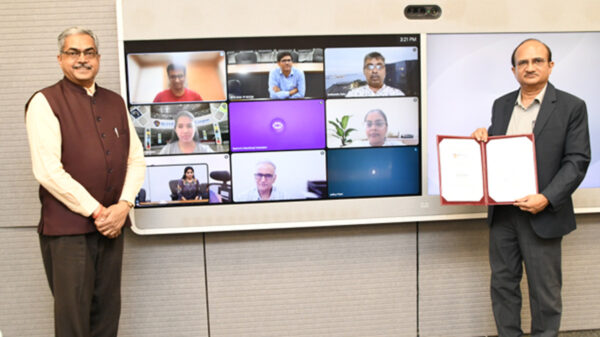
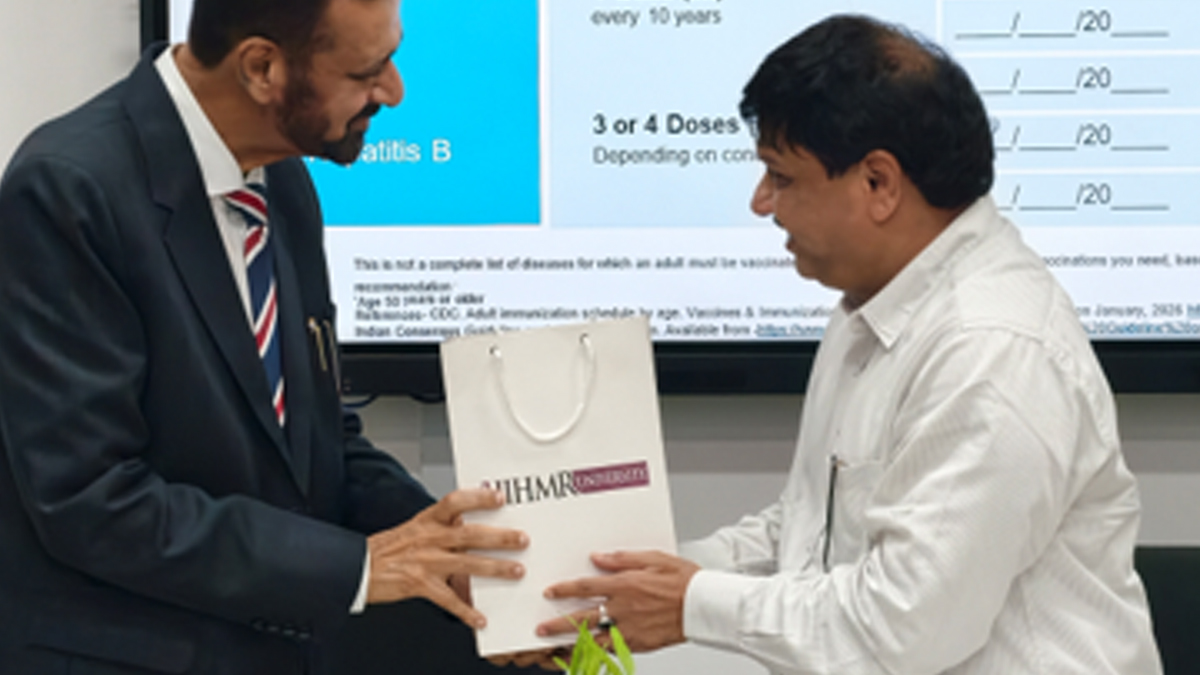
Building on this progress, IIHMR University organised an awareness session on “Adult Vaccination” under its “Let’s Talk About Health” initiative. The session featured Dr. Sudhir Bhandari, Pro-Chancellor and Senior Professor at Jaipur National University Institute for Medical Sciences and former Vice Chancellor of Rajasthan University of Health Sciences, Jaipur.

During the session, experts emphasised that rapid urbanisation, changing lifestyles, an ageing population, and heightened health consciousness following the COVID-19 pandemic have made preventive healthcare more relevant than ever. Addressing participants, Dr. Bhandari noted that while childhood immunisation has achieved significant success, many adults remain vulnerable to preventable diseases due to missed booster doses and limited awareness.
“Regular vaccination plays a key role in reducing complications, hospital admissions, and long-term health risks. Adult vaccines such as influenza, shingles, and pneumococcal vaccines help strengthen immunity and provide protection against serious infections,” he said.
Speaking on the occasion, Dr. P.R. Sodani, President, IIHMR University, highlighted the importance of preventive healthcare in today’s evolving healthcare landscape. He noted that vaccination continues to be one of the most cost-effective public health interventions, contributing to reductions in infectious diseases, child mortality, and the elimination of illnesses such as polio and maternal-neonatal tetanus in India.
Hosted in partnership with GSK, the event encouraged discussions on vaccine awareness, preventive healthcare practices, and the need for evidence-based health communication to build healthier and more resilient communities.
Author