












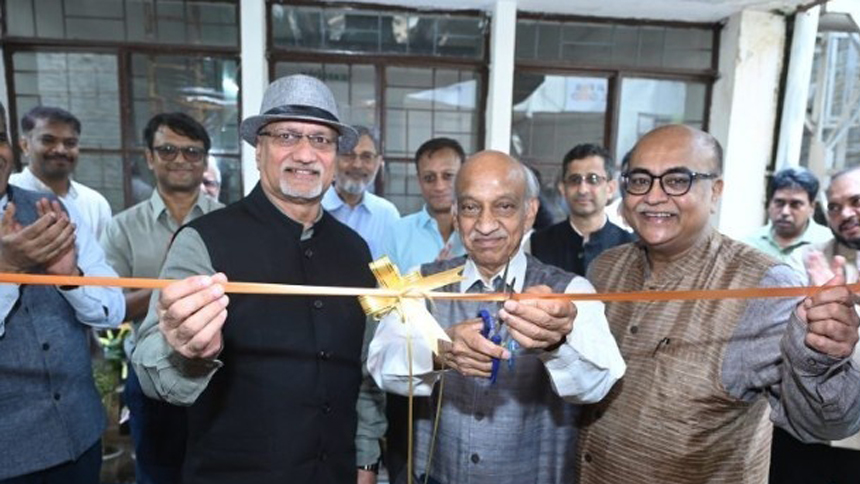
India’s efforts to build a globally competitive quantum technology ecosystem received a boost with the launch of the Wadhwani-IISc Innovation Centre and a new startup acceleration platform at the Indian Institute of Science (IISc), Bengaluru.
The initiatives are aimed at strengthening the country’s ability to translate cutting-edge scientific research into commercially viable products, startups and deep-tech enterprises.
Quantum technologies, including quantum computing, communication and sensing, are increasingly viewed as strategic technologies with applications in cybersecurity, healthcare, finance, defence and advanced manufacturing. Nations across the world are investing heavily in the field as competition intensifies for technological leadership.

Against this backdrop, IISc’s latest initiatives seek to address one of India’s long-standing challenges: converting scientific excellence into market-ready innovation.
The newly inaugurated Wadhwani-IISc Innovation Centre will focus on deep-tech innovation, startup incubation and industry collaboration. The centre is part of the Wadhwani Innovation Network (WIN), a broader effort to strengthen India’s deep-tech innovation and research commercialisation ecosystem.
“Quantum technologies represent one of the most transformative frontiers of science and innovation. Through the Wadhwani-IISc Innovation Centre, Quantum Pitch Fest, and the InQubate platform, IISc is creating a collaborative ecosystem to help researchers and entrepreneurs translate cutting-edge quantum research into scalable technologies and globally competitive ventures,” said B. Gurumoorthy, Director of the Foundation for Science, Innovation and Development (FSID), IISc.
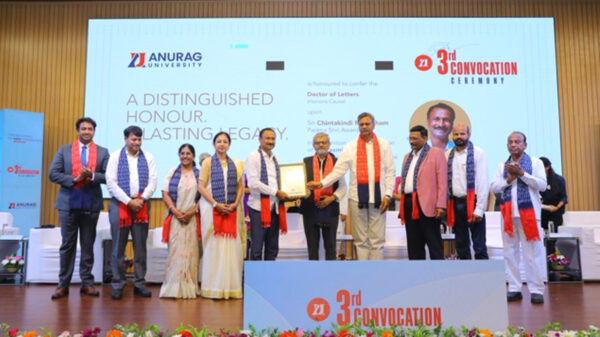
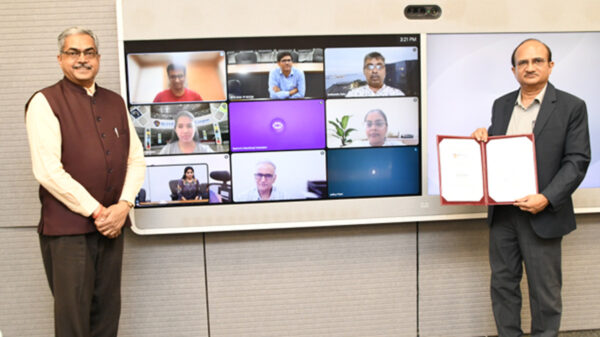
The launch event was attended by former ISRO Chair A.S. Kiran Kumar, Wadhwani Foundation CEO Ajay Kela, and Wadhwani Innovation Network India Managing Director Shirshendu Mukherjee.
Speaking at the event, Kela highlighted the importance of accelerating the journey from laboratory research to commercial impact.
“India has world-class research talent and scientific capability. The next frontier is accelerating the translation of research into scalable products, startups, and societal impact. Through the Wadhwani Innovation Network, we are working closely with leading institutions like IISc to help build stronger innovation ecosystems that can take breakthrough ideas from lab to market faster,” he said.
The event also featured Quantum Pitch Fest 2026, where researchers and startups showcased innovations in quantum computing, communication and sensing. Selected teams will receive mentorship and incubation support through IISc’s entrepreneurship programmes.
A key announcement was the launch of InQubate, a startup acceleration platform designed specifically for quantum technology ventures. The platform aims to support entrepreneurs from the early stages of idea development through product creation and commercialisation.
Addressing the gathering, Kiran Kumar stressed that technological advances must ultimately serve societal needs.
“Technology alone is not important; how these technological capabilities are used for developing society and country matters more,” he said.
The initiatives come at a time when India is expanding investments under the National Quantum Mission and seeking to strengthen its position in emerging technologies. Experts say sustained collaboration between academia, industry and investors will be critical if the country hopes to build globally competitive quantum companies and transform research breakthroughs into economic and societal impact.
Author