
Science, Research & Innovation
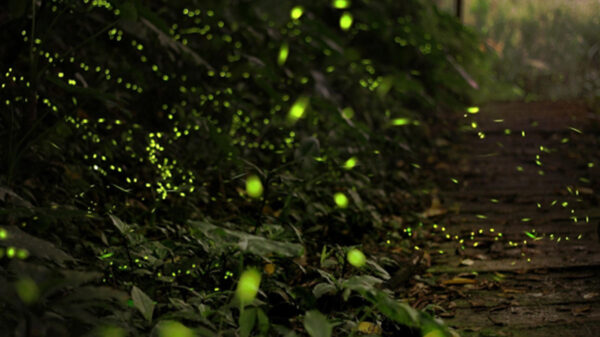
This remarkable process, known as bioluminescence, generates almost no heat, making it one of the most energy-efficient natural reactions ever discovered

Hi, what are you looking for?
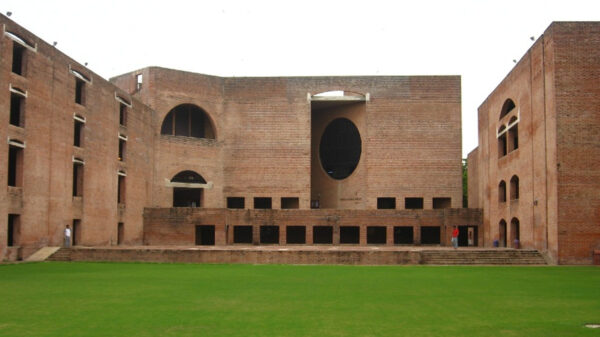
IIM Ahmedabad Publishes Case Study on HoABL’s Digital-First Land Business Model

President Droupadi Murmu to Inaugurate Jagadguru Kripalu University in Odisha

SVKM’s NMIMS Appoints Prof. Sougata Ray as Vice Chancellor, Ushering in a New Era of AI-Driven Higher Education

ALLEN Career Institute Strengthens Board with Next-Generation Leadership, Charts Vision for the Next 100 Years
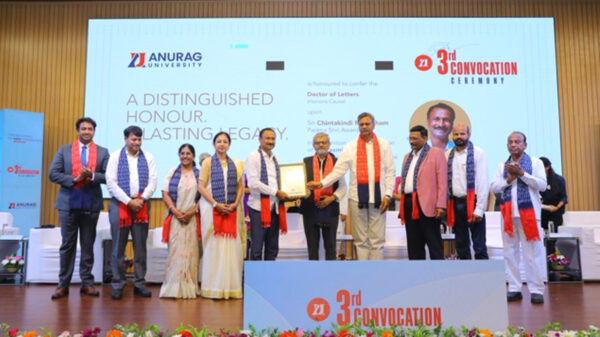
Anurag University Confers Degrees on 2,789 Graduates at Third Annual Convocation

Applications Open for Women’s Scholarship for International Students 2026; Winners to Receive Up to$5,000
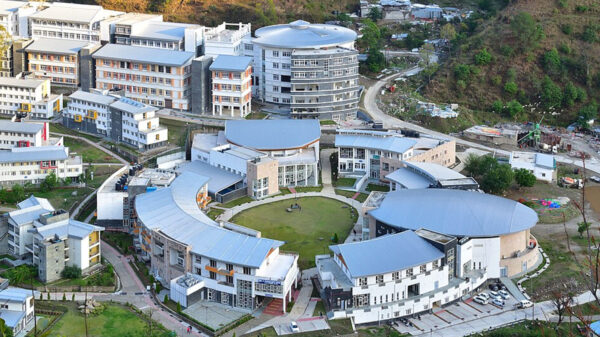
Indian Institute of Technology Mandi Opens Applications for Third Batch of Five-Year Integrated MBA Programme

Your 20-Day Blueprint to Crack CMAT
BRIC-RGCB Opens Applications for PhD Biotechnology Programme 2026
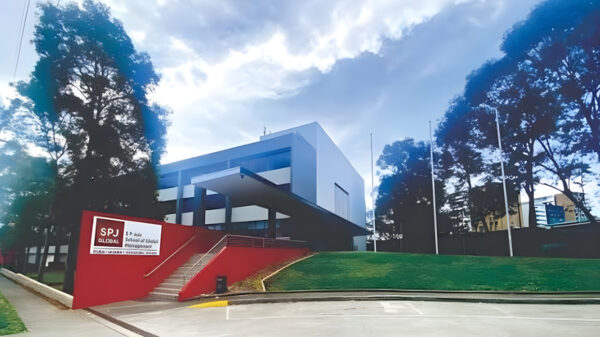
SP Jain Global Launches Master of Management Program with Post-Study Work Opportunities in Australia

India Wins Gold, Three Bronze Medals at International Linguistics Olympiad 2026 in Romania

India’s EV sector may create up to 40 million jobs by 2030: Adecco India
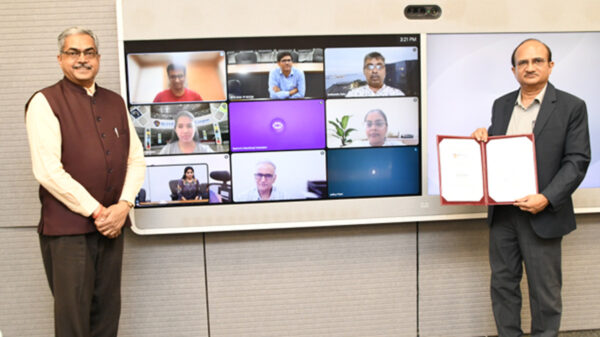
BITS Pilani, IAIRO Sign MoU to Boost AI Research and Talent Development
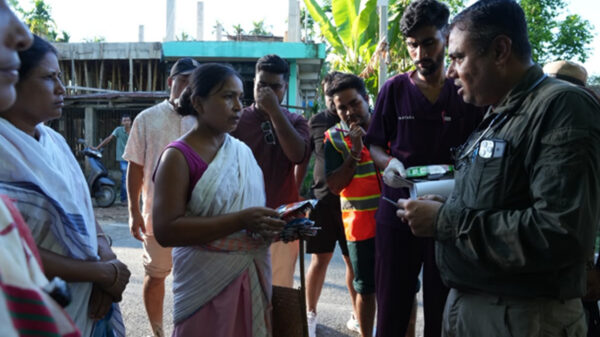
Reliance Foundation Announces ₹21 Crore Aid for Assam Flood Relief

Anaptyss Launches ‘IGNITE’ to Foster Employee-Led Innovation and Intellectual Property Development
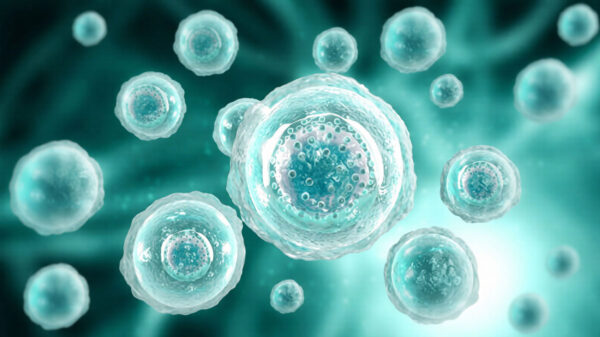
How Scientists Built a Synthetic Cell That Can Grow and Divide

A Newly Discovered Brain Cell Death Pathway Could Change Alzheimer’s Research

How Scientists Controlled the Arrow of Time in a Quantum System
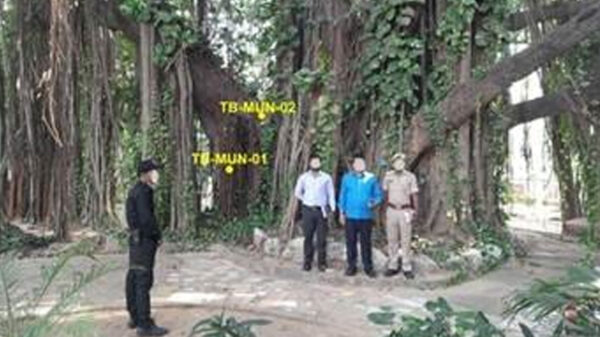
India’s Oldest Scientifically Dated Banyan Tree Is Around 700 Years Old
Scientists Discover a Gene That Helps Ageing Muscles Repair Themselves
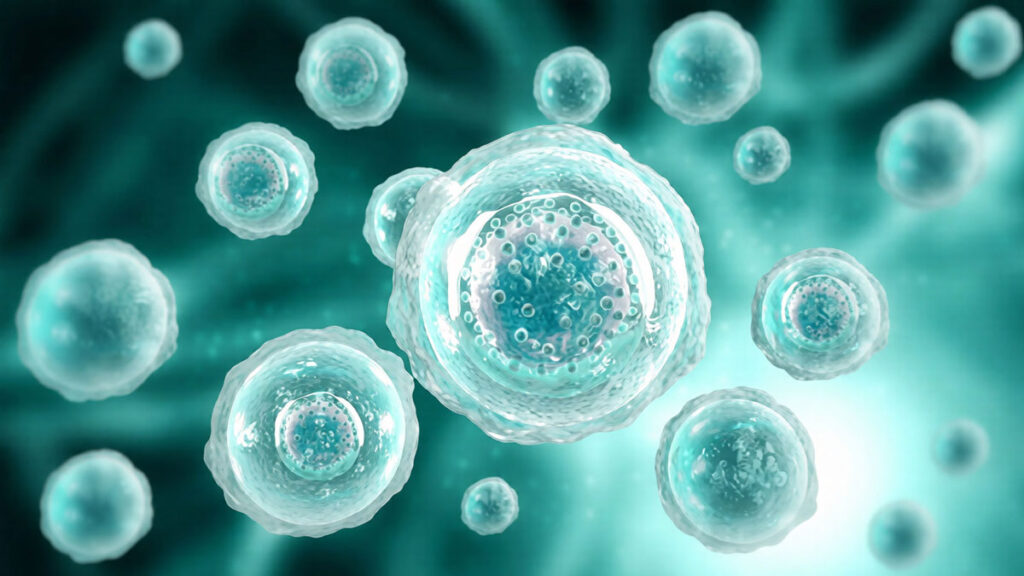
Unlike natural cells, which evolved over billions of years, SpudCell was designed in the laboratory using artificial membranes, a synthetic genome and the molecular...

Researchers at the Walter and Eliza Hall Institute (WEHI) in Melbourne, Australia, identified a previously overlooked mechanism involving a protein called SARM1
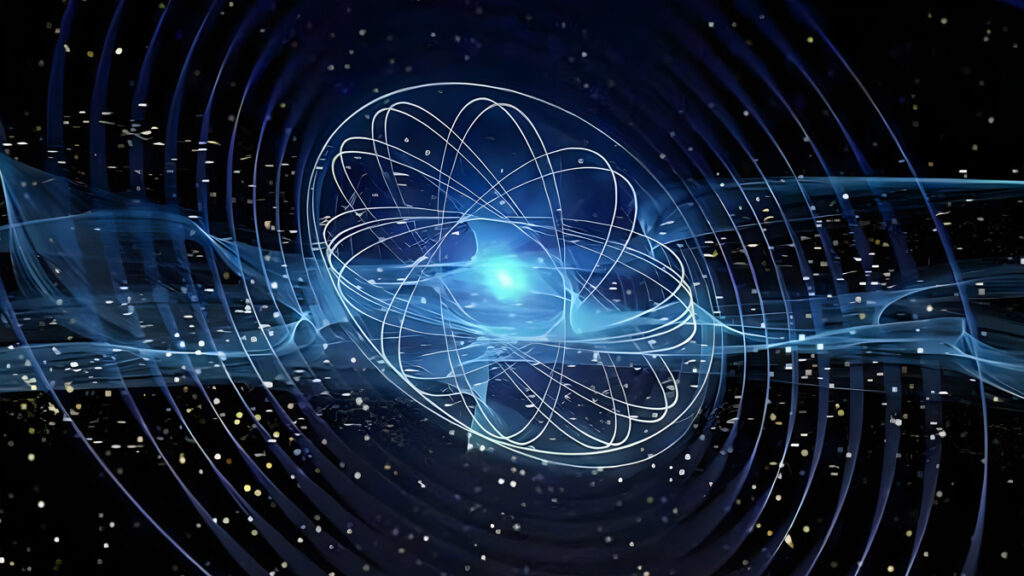
Researchers led by the University of Surrey, working with scientists from the University of Oxford, the University of Bayreuth and the University of Bordeaux,...
This remarkable process, known as bioluminescence, generates almost no heat, making it one of the most energy-efficient natural reactions ever discovered


Parchment, made from animal skin, was widely used for thousands of years across Europe, the Middle East and parts of Africa


The two “superpuff” planets orbit TOI 791, a Sun-like star located about 1,113 light-years from Earth.


Named Silescelida acristata, the small predator lived during the Middle Triassic, about 12 million years after the Permian–Triassic mass extinction, the most severe extinction...


The conference featured scientific sessions, panel discussions, case-based presentations, interactive forums and live robotic surgery demonstrations, offering participants valuable insights into the latest developments...
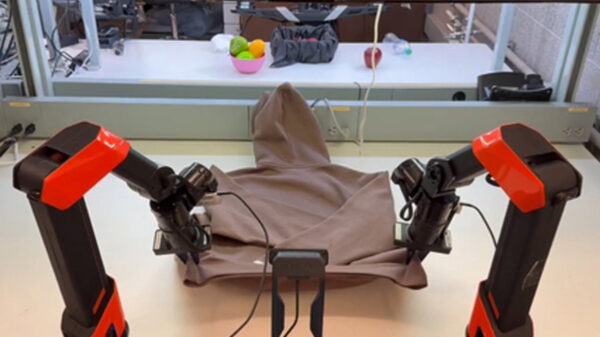
The technique, called Vision-Language-Action System with Hindsight (VLASH), allows robots to plan their next actions before completing their current ones, reducing delays and producing...


The breakthrough, developed by researchers at the University of Nottingham, was published in Nature Communications
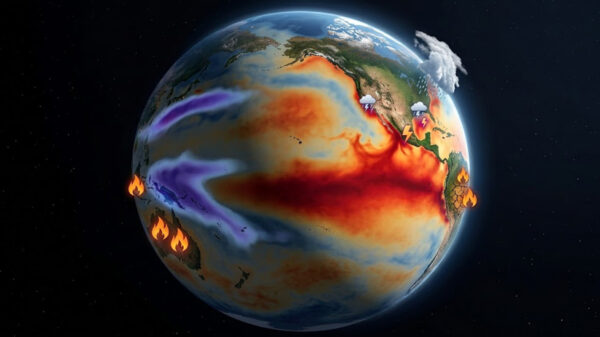
A super El Niño occurs when temperatures rise by more than 2°C above average, significantly increasing its global impacts


The company ultimately aims to deploy 50,000 mirror-equipped satellites by 2035, creating controlled patches of daylight in selected locations.
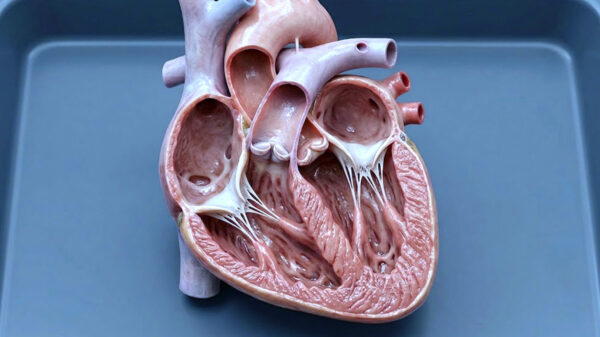
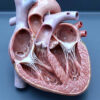
The findings, published in Cell, could pave the way for more precise treatments for heart disease and cardiac rhythm disorders