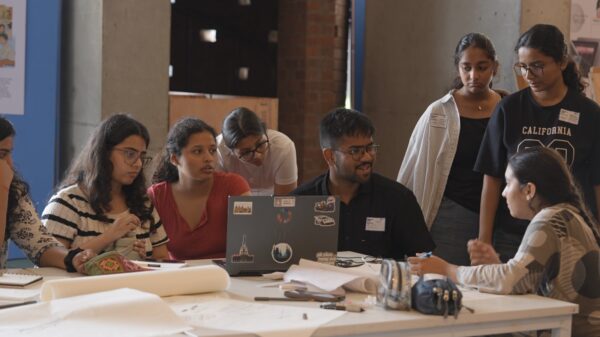




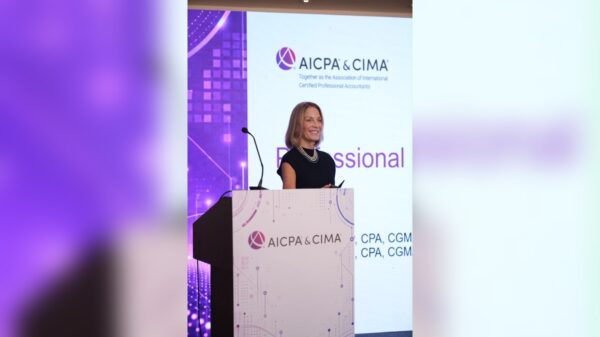





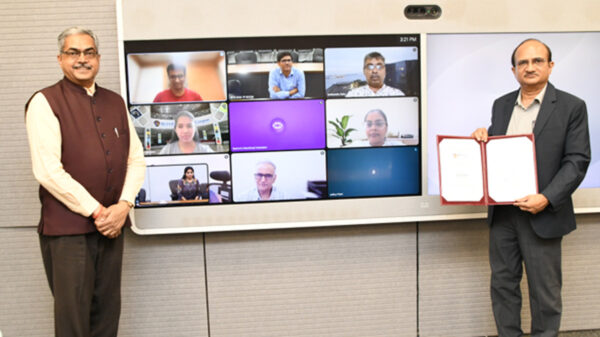



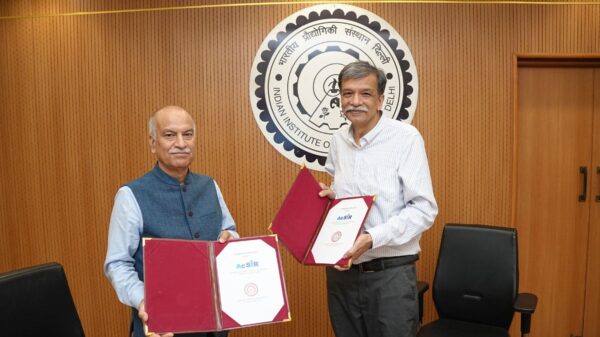



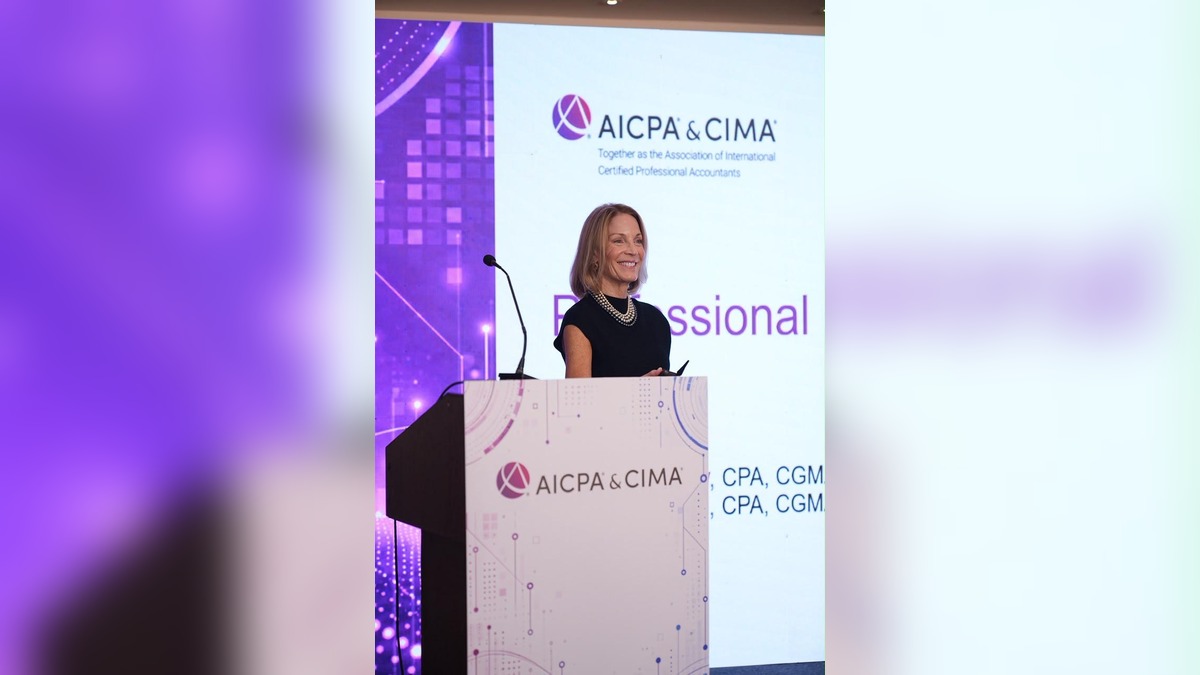
The growing role of India’s Global Capability Centres (GCCs) in shaping global accounting and finance operations was a key focus of discussions held by the American Institute of Certified Public Accountants (AICPA) and the Chartered Institute of Management Accountants (CIMA) in Bengaluru from October 27 to 30.
The engagements took place during the India visit of Susan S. Coffey, CEO of Public Accounting at the Association of International Certified Professional Accountants, which brings AICPA and CIMA together. The discussions involved partners from major accounting firms, chief financial officers (CFOs) and GCC leaders.
Under the Rise2040 initiative, the meetings examined how artificial intelligence (AI) is changing accounting work, the expanding responsibilities of Indian teams and the professional capabilities required to maintain accountability and public trust. The programme included firm town halls, partner discussions, CFO roundtables and interactions with GCC leadership.
A key issue was how accounting professionals will adapt as AI takes over more routine tasks. Coffey said India has an opportunity to influence how global accounting and finance operations are designed, governed and delivered. She emphasised the need for accountants to develop the judgement required to evaluate AI-generated outputs, understand their business implications and advise organisations on decisions.
The discussions also highlighted the growing investment in AI across India’s GCC ecosystem. According to EY’s GCC Pulse Survey 2025, 58% of Indian GCCs were investing in agentic AI. The technology enables AI systems to perform tasks and execute workflows with varying degrees of autonomy.
The Rise2040 initiative builds on AICPA and CIMA’s CFO Summit and Rise2040 conference in Bengaluru. Its priorities include AI integration, workforce development, outcome-based value delivery and expanded assurance. The initiative has recorded more than 7,500 participants across 25 countries, with over 90 events and the involvement of 33 GCCs.
The organisations also highlighted the importance of professional judgement, ethical standards and governance as AI becomes more integrated into financial operations. Accountants are expected to examine the evidence behind AI-generated outputs, identify potential errors and protect sensitive information. Independent assurance can also help organisations establish confidence in AI systems, their controls and the data used in business decisions.
Author