









Scientists have long known that physical activity slows muscle decline, but the biological reason has remained unclear. Now, researchers at the Korea Advanced Institute of Science and Technology (KAIST) have identified a key molecular switch that explains how exercise helps ageing muscles repair themselves.
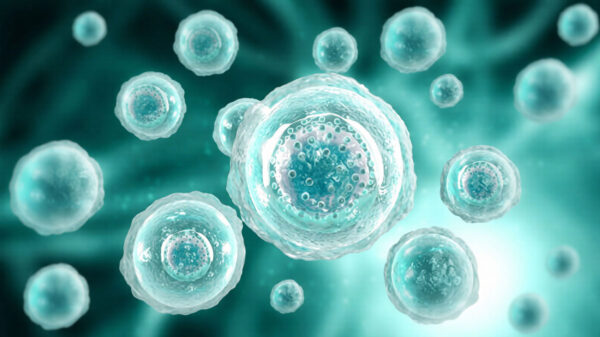
The study identified a gene called DEAF1, which becomes more active during exercise. DEAF1 regulates autophagy, the body’s natural recycling process that removes damaged proteins and worn-out cell components. As people age, this clean-up system becomes less efficient, allowing cellular waste to accumulate and weaken muscles. The researchers found that activating DEAF1 restores autophagy, helping muscle cells clear damage, maintain healthy function and recover more effectively after physical activity.
Although exercise remains the most effective way to preserve muscle health, this discovery could lead to new treatments for people who are unable to remain physically active because of illness or advanced age. By revealing how muscles naturally repair themselves, the research offers new hope for preventing muscle loss and promoting healthier ageing in the years ahead.

Author