


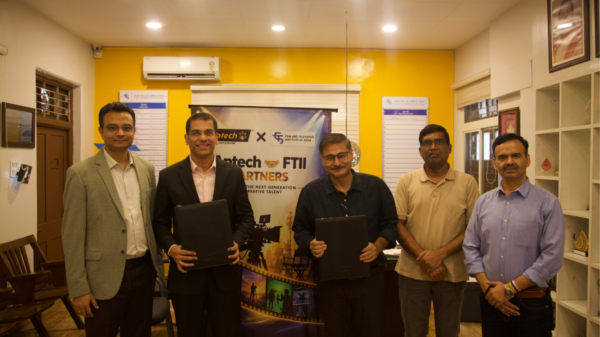


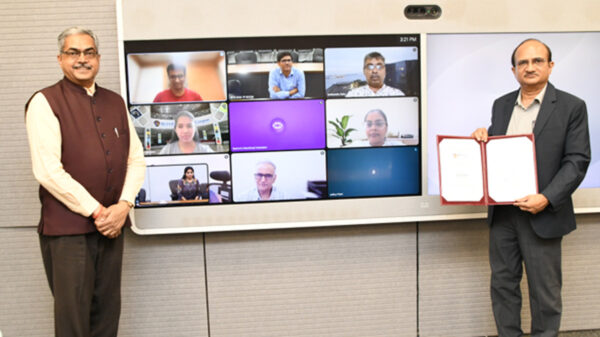




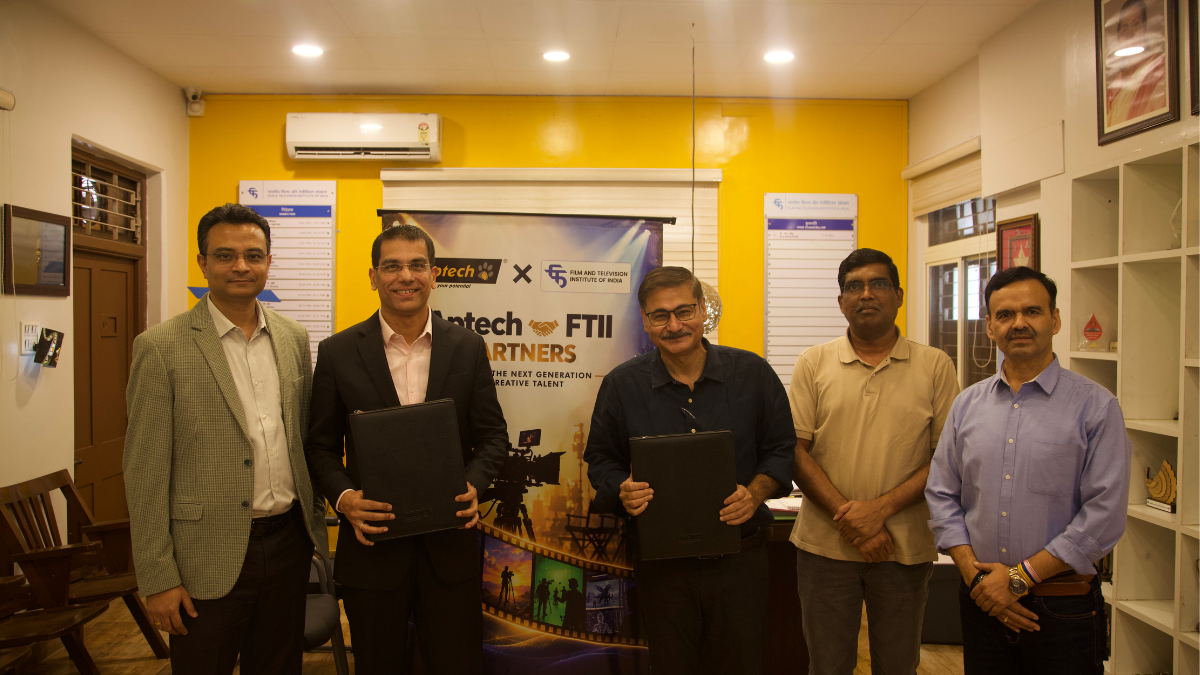
The Film and Television Institute of India (FTII) has partnered with Aptech Limited to expand access to film education and creative skills training across India, with plans to introduce workshops, joint certification programmes and immersive filmmaking courses.
Announced on October 26, the collaboration aims to combine FTII’s expertise in cinema and storytelling with Aptech’s vocational training network and industry-oriented curriculum. The initiative will cater to aspiring filmmakers, content creators, animators and visual effects (VFX) professionals seeking careers in the media and entertainment sector.
The partnership will be implemented through three learning models. The first will offer selected FTII-led workshops and micro-credentials to eligible students at Aptech centres, providing specialised training in filmmaking and cinematic storytelling.

The second model will integrate a two-month FTII module into Aptech’s VFX and 3D programmes. Students who meet the prescribed requirements will receive joint certification, combining technical training with an understanding of visual storytelling.
The third and most comprehensive model will involve a co-developed programme combining structured learning at Aptech centres with a two-month immersive experience at the FTII campus in Pune. Initially planned across Aptech centres in Mumbai, Pune and Bengaluru, the programme will allow students to produce a short film under FTII mentorship. It will also facilitate exposure to internships and industry associations.
Commenting on the partnership, Santosh Ojha, Head of Strategy at FTII, said the collaboration would help extend the institute’s academic and cinematic expertise beyond its campus through Aptech’s network. He emphasised that cinema involves storytelling, imagination and creative expression alongside technical skills.
Sandip Weling, Whole-time Director and Chief Business Officer, Global Retail, at Aptech Limited, said the partnership seeks to combine strong academic foundations with industry-relevant skills and experiential learning.
The initiative comes amid the growing demand for skills across the media and entertainment and animation, visual effects, gaming, comics and extended reality (AVGC-XR) sectors. By integrating technical training with practical filmmaking experience, the partnership aims to help learners develop professional portfolios and improve their career prospects.
However, the extent to which the initiative will broaden access to specialised film education will depend on factors such as programme fees, eligibility criteria and geographical reach. While the partnership creates additional training pathways outside FTII’s campus, the announcement does not specify programme costs or the number of students expected to benefit.
The collaboration also signals an effort to connect formal cinematic education with vocational training, potentially creating new opportunities for students seeking entry into India’s evolving creative industries.
Author