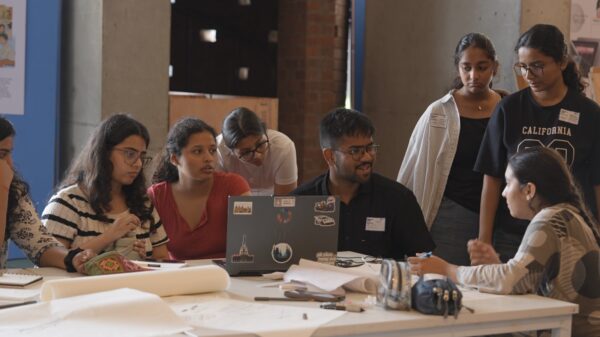
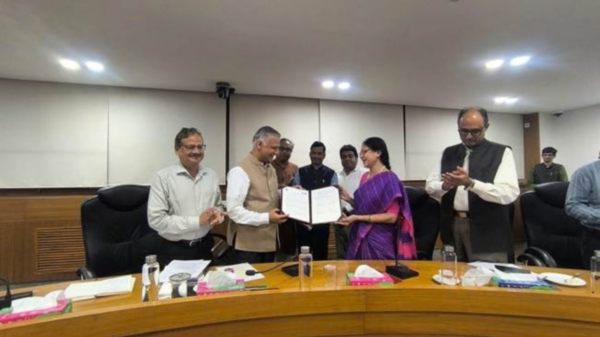

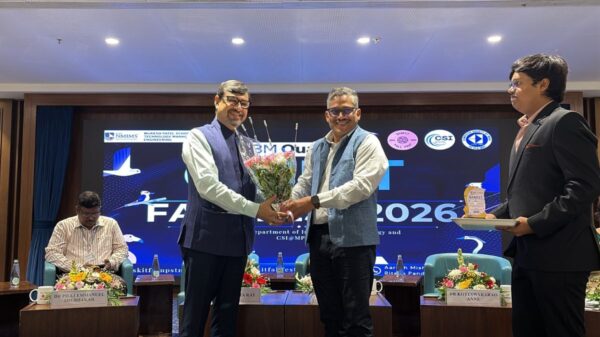







Anganwadi workers are responsible for supporting young children and mothers, but administrative work can take time away from their core duties. Identifying families facing food shortages or frequent migration presents another challenge for public services of early childhood education. These issues were among the key topics at Udaan 2026, a national conference on early childhood care and education held in New Delhi on October 7.

Organised by Rocket Learning, an early learning non-profit, the conference brought together policymakers, researchers, educators and technology leaders to discuss ways to improve early childhood development. The discussions centred on strengthening Anganwadis, improving support for vulnerable families and assessing the role of technology in early learning.
Reducing the Paperwork for Anganwadi Workers
Anganwadi workers provide essential services to young children and mothers. However, manual record-keeping and administrative duties can limit the time they have for direct engagement with families.
M. Srinivas, Member of NITI Aayog, called for policy changes and technology that would reduce this burden. “Technology and policy changes must simplify their workload so they can focus on their primary mission: directly nurturing mothers and children,” he said.

Digital tools could help workers spend less time on routine paperwork and more time supporting children and caregivers. Their usefulness will depend on whether they simplify existing tasks rather than create additional reporting requirements.
Early Childhood Education: Using AI to Identify Vulnerable Families
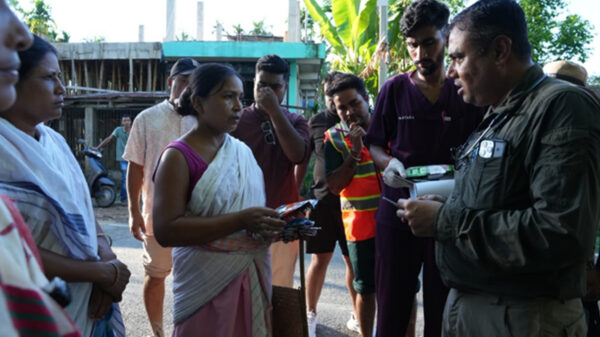
Food shortages and family migration can disrupt children’s access to nutrition, care and early learning. Identifying families facing these difficulties early could help local authorities direct assistance where it is most needed.
Arti Ahuja, former Secretary of the Union Ministry of Labour and Employment, said artificial intelligence (AI) could help identify warning signs at the village and hamlet level, including food scarcity and family migration.
Such systems could help authorities identify families who need support. However, data alone cannot address these problems. The information must lead to timely assistance, and the systems must be able to identify families accurately.
Evaluating What Works in Early Learning
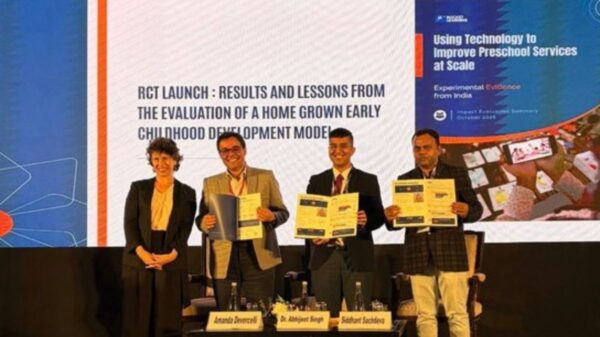
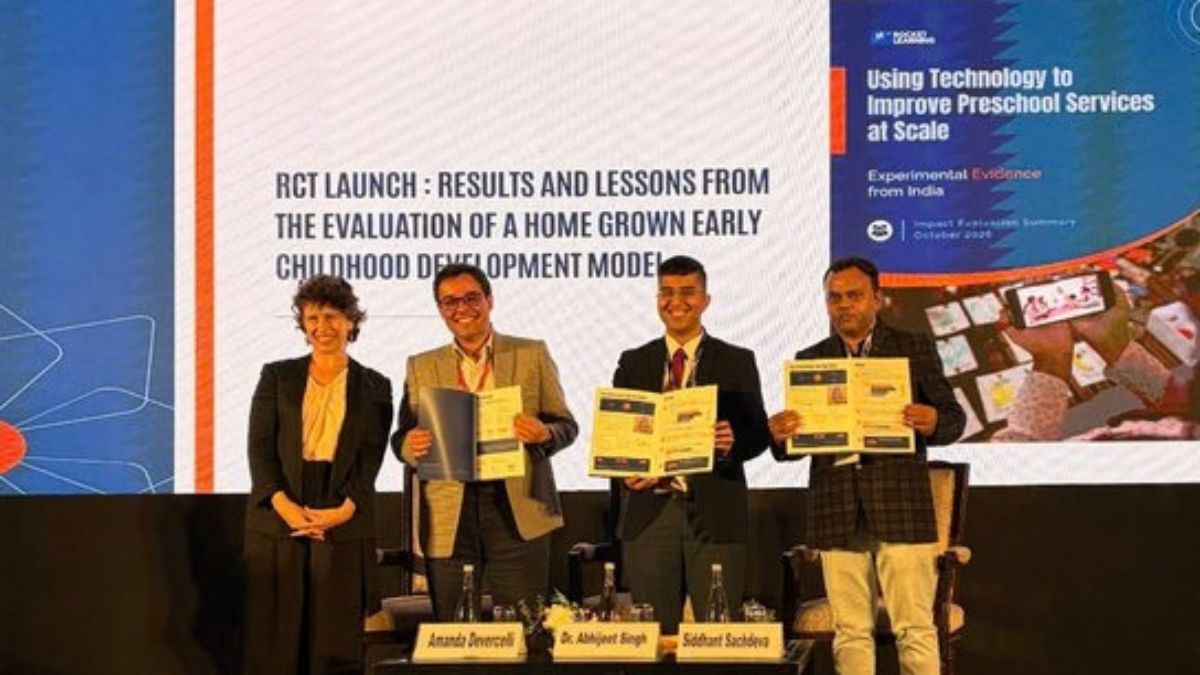
Udaan 2026 also featured findings from an evaluation of an India-developed, technology-based early childhood development model. Abhijeet Singh, a professor at the Stockholm School of Economics and a board member for education at J-PAL, presented the results.
According to Rocket Learning, the evaluation examined the model’s impact and cost-effectiveness. Such evidence can help policymakers assess whether a programme improves early learning and whether it is worth expanding to more communities.
The organisation’s press release did not include numerical results, effect sizes or cost estimates. These figures would help readers understand the extent of the reported benefits and the resources required to achieve them.
Reaching More Children Through Public Services
The conference included representatives from the Women and Child Development departments of Uttar Pradesh, Odisha, Punjab, Delhi and Andhra Pradesh, along with researchers and technology organisations. Discussions covered Anganwadi reforms, investment in early childhood development and findings from academic research.
Rocket Learning said it works with government systems across 15 states and Union Territories and more than 200 districts. Since 2020, it reports reaching six million children from birth to six years of age through programmes involving parents and educators.
The discussions highlighted the need to reduce the workload of frontline workers, identify vulnerable families earlier and evaluate early learning programmes before expanding them. Whether these approaches improve outcomes will depend on how they are implemented and whether children and families receive better support as a result.
Author