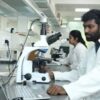








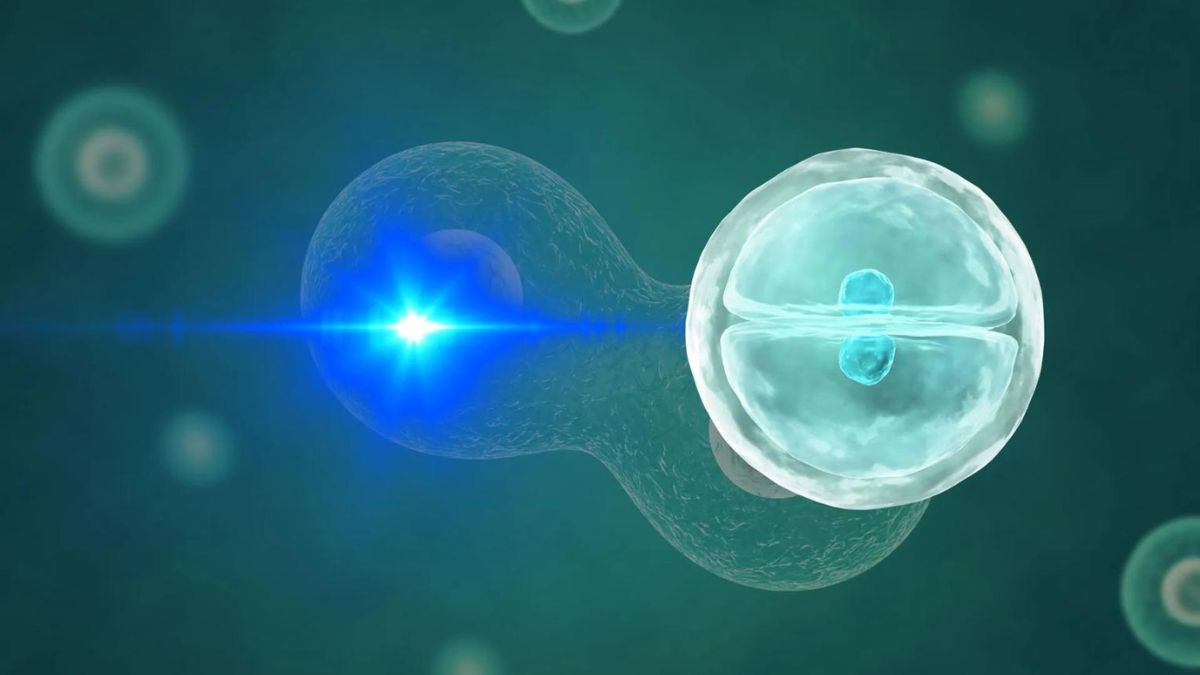
Researchers at the Indian Institute of Science (IISc), Bengaluru, have developed a technique that uses blue light to activate a protein involved in cell division and restore spindle formation in human cells.
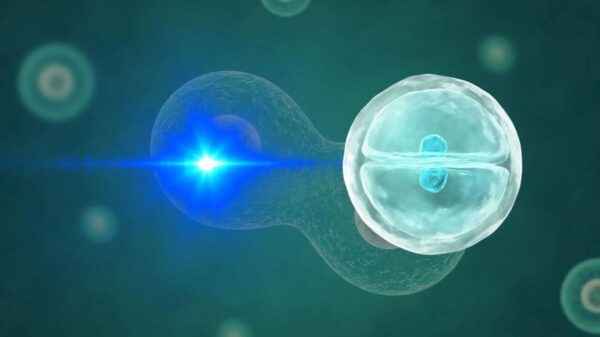
The technique, called Light-Induced Spindle Activation (LISA), targets Aurora A, an enzyme that helps assemble the spindle, the microtubule structure that separates chromosomes when a cell divides. The findings were published in EMBO Reports. The researchers linked Aurora A to light-sensitive proteins that cluster when exposed to blue light. This allowed them to switch Aurora A activity on in living cells.
They then removed centrosomes, structures that normally help organise the spindle, from human cells. The cells developed problems during division. When the researchers exposed them to blue light, Aurora A clustered and stimulated microtubule formation, substantially restoring spindle assembly.

The technique gives researchers a way to study Aurora A separately from the complex machinery surrounding it. This is relevant to cancer research because Aurora A is overexpressed in several cancers and is being investigated as a potential drug target.
The researchers say LISA could help identify the specific functions and molecular partners of Aurora A that are important for spindle formation. The work is a research tool rather than a cancer treatment.
Author