









India’s expanding infrastructure pipeline is putting project delivery under greater pressure, as large construction and urban development projects bring together more stakeholders, technologies, costs and regulatory requirements. For this, India needs infrastructure professionals.
The shift is increasing the importance of professionals who can manage projects across planning, procurement, execution and risk while working across technical, commercial and digital functions, according to the National Institute of Construction Management and Research (NICMAR).
Infrastructure Professionals: Project Delivery Becomes More Complex
Major projects increasingly involve multiple contractors, consultants and disciplines, with decisions on design, procurement, costs, timelines, safety and sustainability closely interconnected.

Project teams must therefore coordinate across functions while managing schedules, budgets, risks and stakeholder expectations. This is also prompting greater emphasis on practical project experience alongside technical and management education.
AI, BIM and Data Enter the Workflow
Digital technologies are further changing project execution. Building Information Modelling (BIM), artificial intelligence, automation and data-driven project management are increasingly being used to plan, monitor and manage projects.
NICMAR says its programmes incorporate these developments through project-based learning, case studies, simulations, site visits and exposure to industry software and digital tools.
Industry Exposure Moves Beyond the Classroom
The institute’s programmes combine management education with specialised learning in construction, infrastructure and project management. Its industry and research initiatives focus on contemporary challenges in the built environment.
At its ICCRIP 2026 conference, discussions covered digital transformation, project delivery, sustainability, risk management and industry-academia collaboration.
“A project is ultimately shaped by the decisions taken at every stage of its journey. Professionals working in the built environment therefore need to understand how technical knowledge, people, processes, technology and commercial considerations come together,” said Dr. Tapash Kumar Ganguli, Director General, NICMAR.
“As projects become more complex, education must provide opportunities for students to apply what they learn to practical situations and develop the ability to work across disciplines. This connection between knowledge and execution will be important for the next generation of professionals,” he added.
Students Tackle Real Infrastructure Challenges
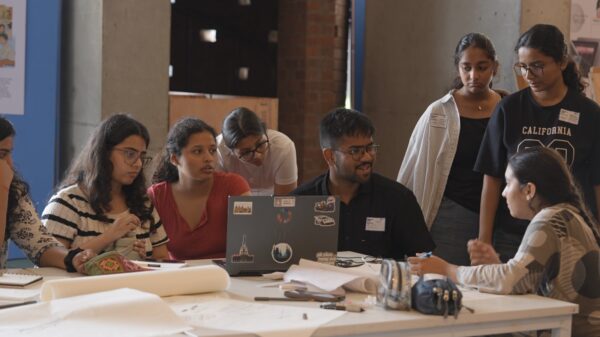
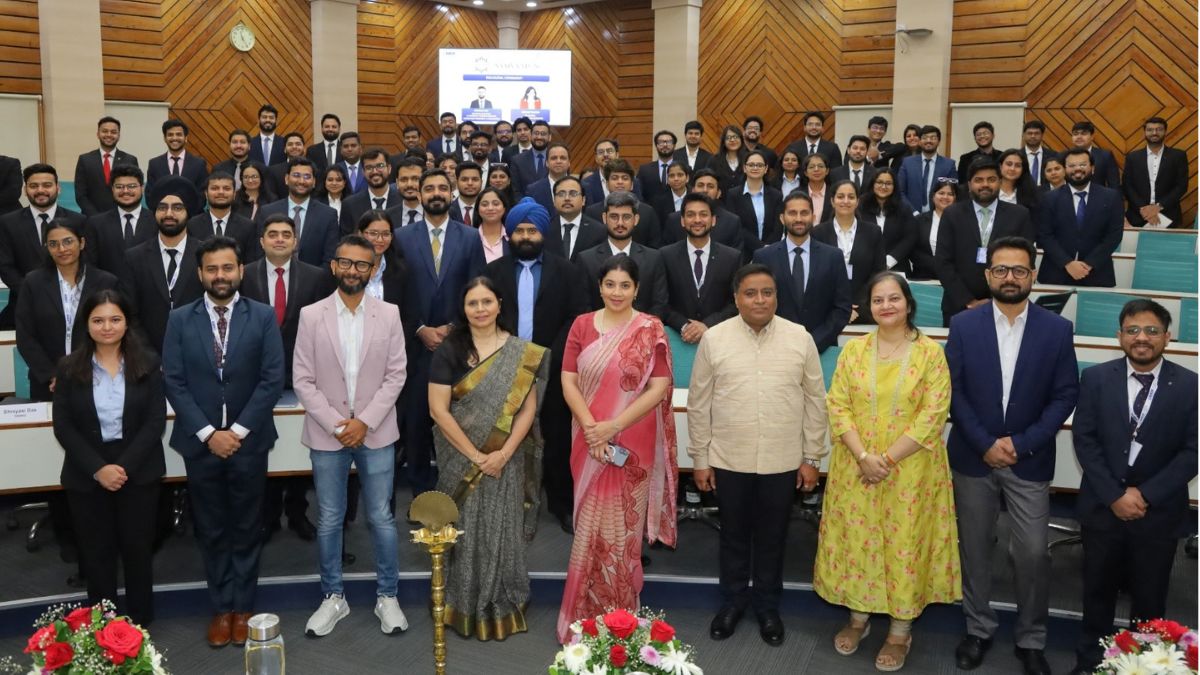
NICMAR is also using initiatives such as the Bharat Nav-Nirmaan Challenge to expose students to real-world infrastructure problems. The challenge brought together more than 20,000 students from over 500 institutions to work collaboratively on infrastructure-related challenges.
Such initiatives give students an opportunity to apply classroom learning to practical problems and develop solutions through collaboration.
Preparing for India’s Infrastructure Pipeline
As India continues to expand its infrastructure and urban assets, project professionals will play a central role in translating plans and investments into completed projects.
For built environment institutions, the focus is consequently moving towards preparing graduates who can understand the full project lifecycle and work across the technical, managerial, commercial and digital dimensions of delivery.
Author