











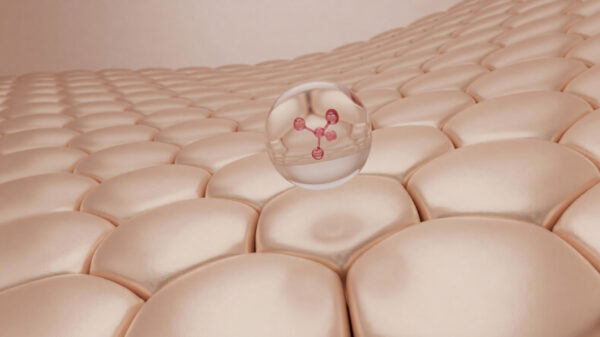

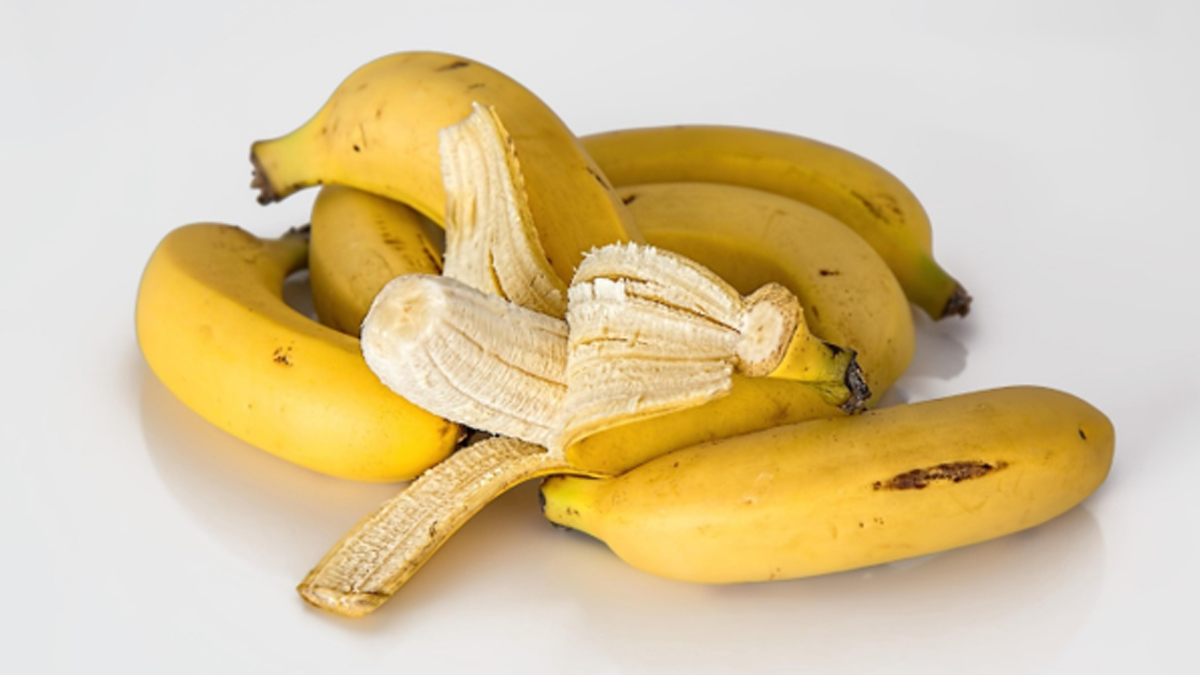
Bananas are one of the healthiest fruits you can eat, packed with potassium, fibre and vitamins. But they are slightly radioactive. The reason lies in potassium-40 (K-40), a naturally occurring radioactive isotope found in all potassium-rich foods. Since bananas are an excellent source of potassium, they naturally contain tiny amounts of K-40.
A medium-sized banana contains about 15 becquerels of radioactivity, meaning roughly 15 potassium-40 atoms decay every second. Although this may sound alarming, the radiation dose is extremely small. In fact, scientists use a humorous unit called the Banana Equivalent Dose (BED) to explain very low levels of radiation to the public. One banana delivers about 0.1 microsieverts.
Even more surprising, your own body is naturally more radioactive than a banana because it contains much more potassium. The body carefully regulates potassium levels, removing excess potassium soon after you eat a banana, so the tiny increase in radiation does not accumulate.

Author