


















While robots can recognise objects and navigate spaces, they often struggle to remember where they saw an object or how to find it later. Researchers at the Massachusetts Institute of Technology (MIT) have now developed an artificial intelligence system that gives robots a human-like spatial memory.
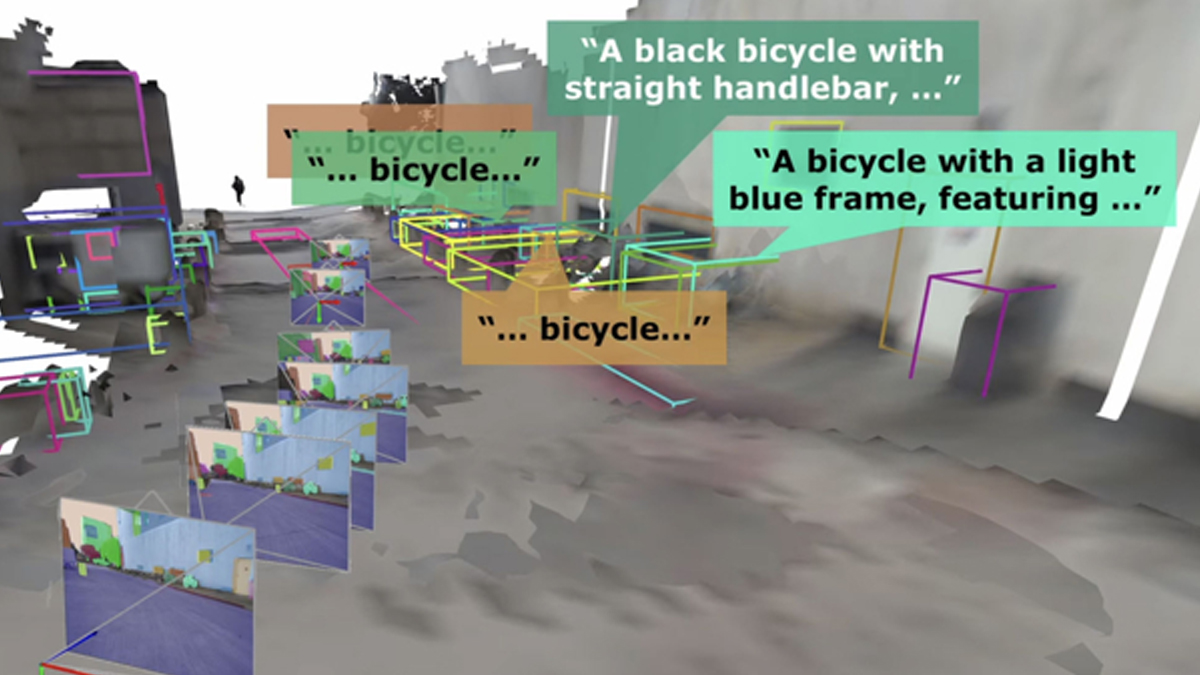
The new framework, called DAAAM (Describe Anything, Anywhere, Anytime, at Any Moment), allows robots to remember objects, their locations and the time they were seen. As a robot explores its surroundings, it builds a detailed 3D map and links it with natural language descriptions. Users can then ask questions such as, “Where did I leave my backpack?” or “Which room has the red toolbox?”, and the robot can locate the object accurately.
Unlike previous systems, DAAAM stores information more efficiently by selecting the most useful views of objects and grouping nearby items together. This makes the system up to 10 times faster while improving accuracy by 21–53% compared with existing methods.

The breakthrough could make household robots, warehouse assistants and healthcare robots far more practical. By giving machines the ability to remember places and objects like humans do, MIT’s research moves artificial intelligence one step closer to becoming a truly helpful everyday companion.
Author