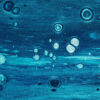











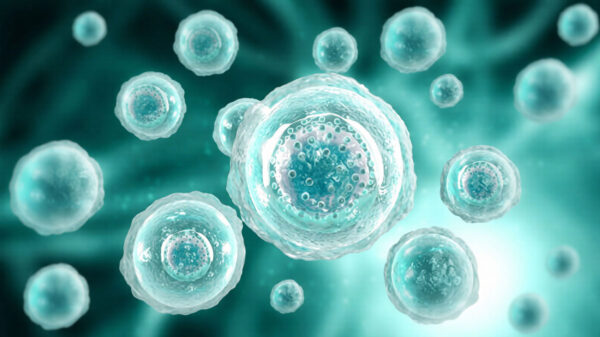



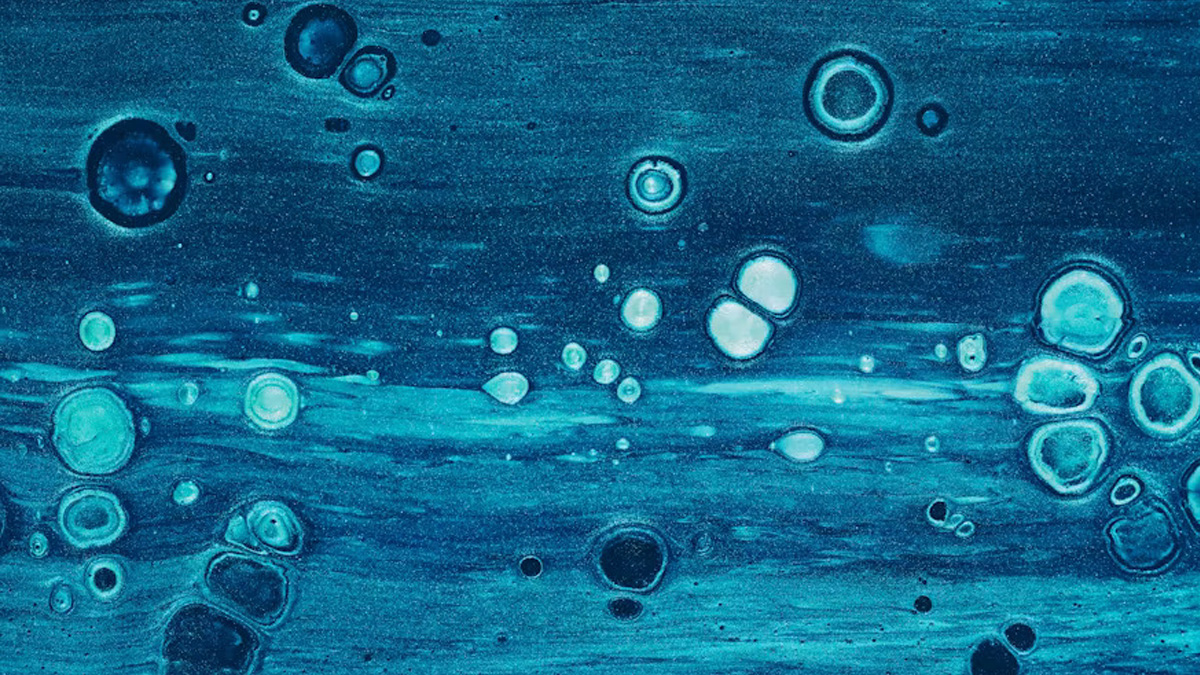
While trees play an essential role in producing, around half of the oxygen in our atmosphere is actually created by microscopic marine organisms called phytoplankton. These tiny algae float near the ocean’s surface and use sunlight, water and carbon dioxide to perform photosynthesis, releasing oxygen as a by-product.
Although each phytoplankton cell is too small to be seen with the naked eye, together they form the foundation of marine ecosystems. They also remove enormous amounts of carbon dioxide from the atmosphere, helping regulate Earth’s climate. Scientists estimate that billions of tonnes of carbon are transferred from the atmosphere to the deep ocean through this natural process every year.
Recent research has shown that phytoplankton depend on tiny amounts of iron dissolved in seawater. When iron becomes scarce, photosynthesis slows, reducing oxygen production and affecting the entire marine food web. Climate-driven changes in ocean circulation could influence how much iron reaches these microscopic organisms in the future.

The next time you take a deep breath, remember that every second breath owes something to countless microscopic ocean organisms working silently beneath the waves.
Author