



















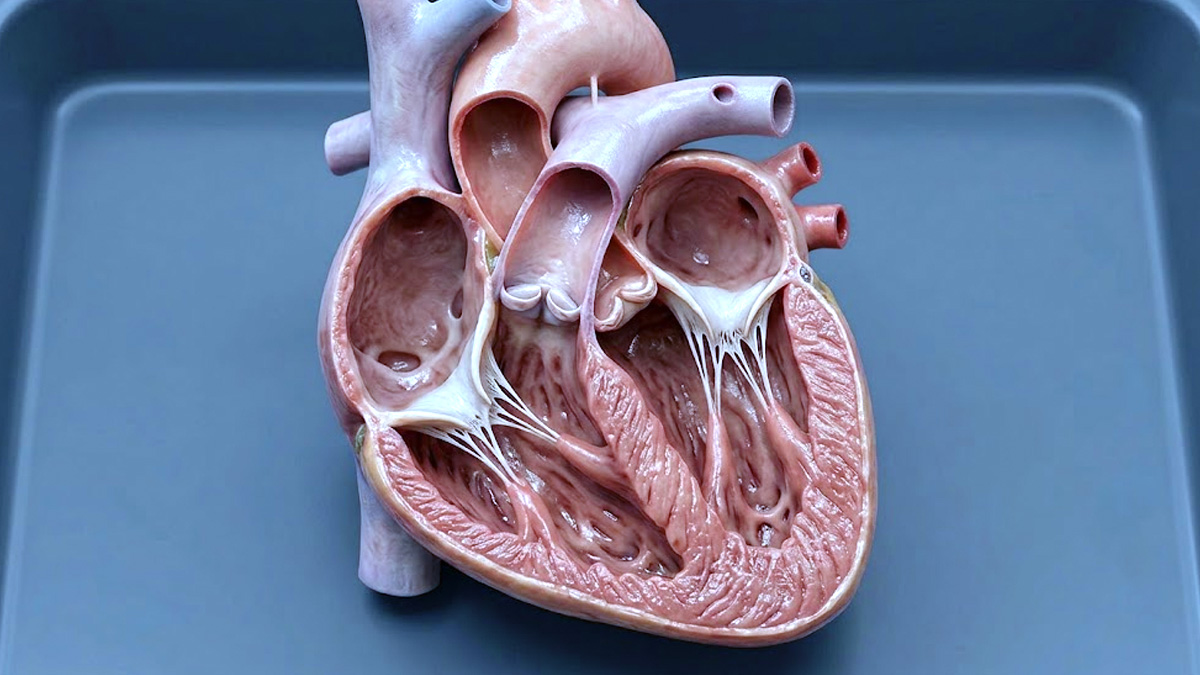
Scientists have uncovered new evidence that the heart possesses its own “little brain” — a network of specialized nerve cells that helps keep it functioning during times of intense stress. The findings, published in Cell, could pave the way for more precise treatments for heart disease and cardiac rhythm disorders.
Known as the intrinsic cardiac nervous system, this network of neurons is embedded in the fatty tissue surrounding the heart. While it communicates with the brain, researchers say it also performs critical functions independently, challenging the long-held belief that all cardiac neurons serve the same purpose.
Led by neuroscientist Rui Chang of the Yale University School of Medicine, the research team genetically engineered mice to label all cardiac neurons and identify their distinct types. Because these neurons make up only about 0.01% of heart tissue, studying them has been particularly challenging.

The researchers identified two major groups of neurons with different functions. One group, known as Npy+ neurons, was found to regulate heart rate. Activating these neurons slowed the heart, while removing them caused heart failure and death in mice, demonstrating their essential role in maintaining normal cardiac function.
A second group, called Ddah1+ neurons, initially appeared to have little effect. However, researchers made a surprising discovery when mice lacking these neurons died during routine blood pressure measurements. Further experiments revealed that most mice without Ddah1+ neurons could not survive stressful situations, experiencing a sudden drop in heart rate from which they failed to recover. In contrast, stimulating these neurons significantly improved survival under stress.
The study suggests that the heart’s internal nervous system acts as a protective mechanism, helping the organ withstand sudden physical or emotional stress.
Experts say the findings highlight the growing recognition that organs such as the heart possess sophisticated neural networks rather than simply following commands from the brain. Although the study was conducted in mice, similar genetic markers have already been identified in human cardiac neurons, raising hopes that the discoveries may translate to human health.
Researchers believe a better understanding of the heart’s intrinsic nervous system could improve treatments for conditions such as heart failure, arrhythmias and heart attacks. It may also lead to more targeted therapies that precisely regulate cardiac nerve activity, reducing the need for invasive procedures and opening new possibilities for neuroscience-based cardiovascular medicine.
Author