












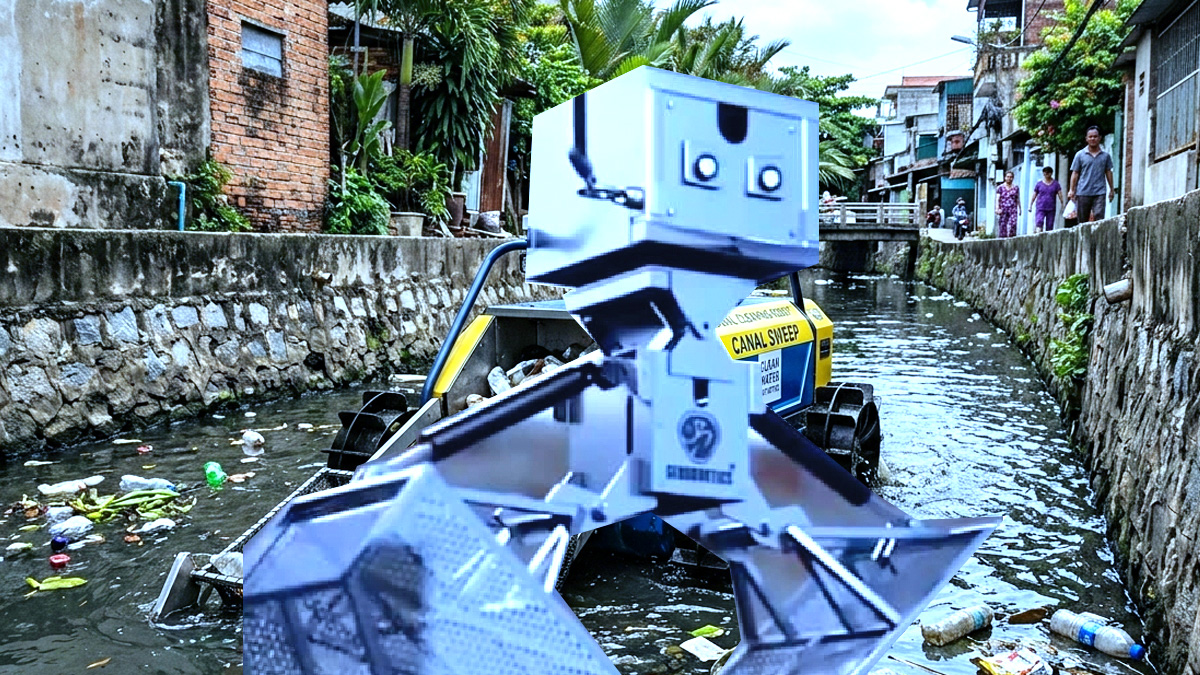
In a move aimed at improving urban sanitation and eliminating hazardous manual cleaning practices, the Thiruvananthapuram Municipal Corporation has deployed G-SPIDER, an AI-powered robotic canal-cleaning system, at the Amayizhanchan canal near Thampanoor railway station.
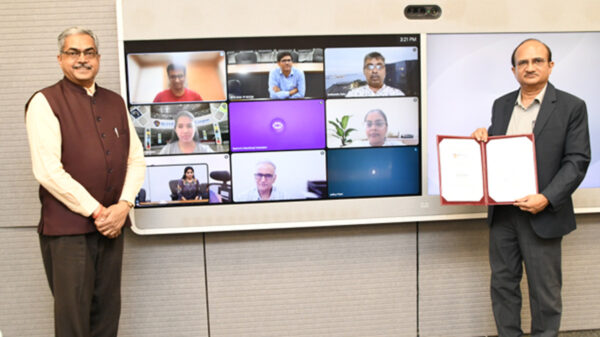
The robotic system was commissioned by Local Self-Governments Minister M. B. Rajesh as part of the Swachh Bharat Mission–Urban 2.0. The initiative is a collaboration between the Thiruvananthapuram Municipal Corporation and Technopark-based Genrobotic Innovations, the company known for developing the robotic scavenger ‘Bandicoot’.
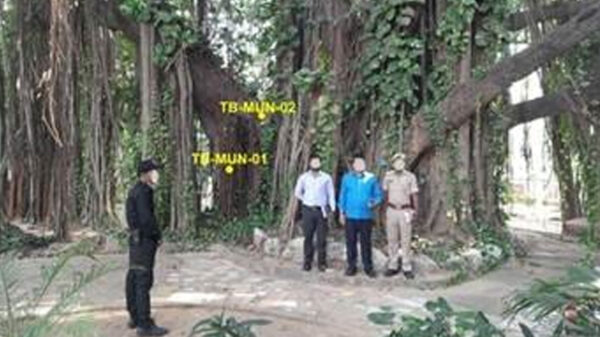
Officials said the Amayizhanchan canal, particularly the covered stretch beneath Thampanoor railway station, has long posed serious operational challenges. The area has limited vertical clearance, continuous water flow, confined working conditions and no safe entry points for sanitation workers, making conventional cleaning methods difficult and unsafe.

The deployment of G-SPIDER is expected to address these challenges by enabling canal cleaning without human entry into hazardous environments.
Developed by Genrobotic Innovations, the G-SPIDER automated canal-cleaning robot is designed to operate in complex canal environments. Built on a Cable-Driven Parallel Robotics architecture and equipped with AI-powered vision and sensors, the system can detect, assess and remove accumulated waste.
Using machine vision, the robot can identify different types of waste and adapt to varying flow conditions and structural constraints in real time. Its five-degrees-of-freedom robotic mechanism, fitted with a biomimetic claw-type grabber, allows precise handling and removal of mixed debris from canals.
Extracted waste is directly transferred to designated collection vehicles, enabling a fully hands-free cleaning process—from detection to disposal.
Municipal officials said the robotic system significantly improves worker safety by reducing exposure to toxic gases, contaminated water and hazardous waste. The robot can operate even during high water levels and continuous flow conditions, ensuring regular maintenance of urban waterways.
The system is also capable of removing plastics, sharp debris and other hazardous materials, thereby improving drainage efficiency and helping prevent urban flooding.
Authorities described the initiative as a step towards technology-driven urban sanitation, with the potential to be replicated in other high-risk canals and drainage networks across the state.
Aligned with the goals of the Swachh Bharat Mission, the deployment reflects growing efforts to modernise sanitation systems while prioritising the safety and dignity of sanitation workers.
Author