





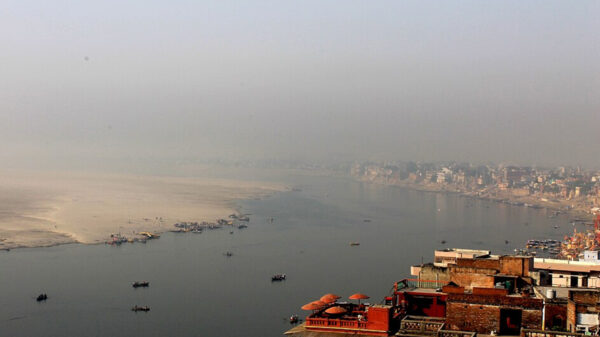





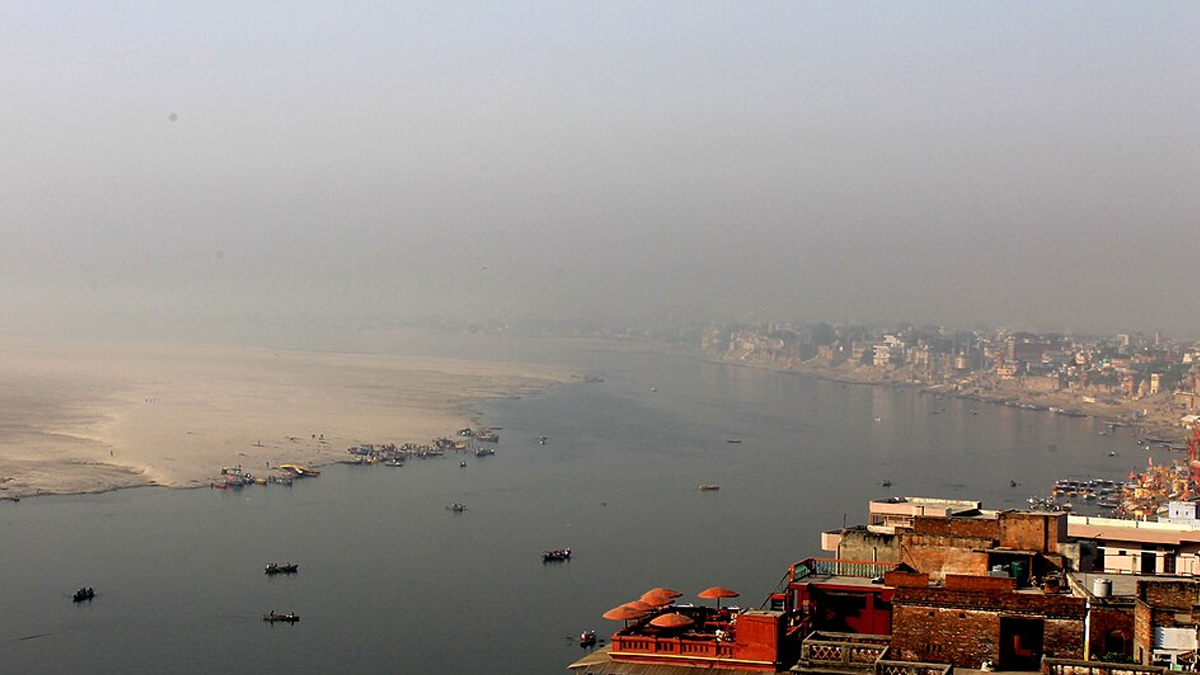
A groundbreaking study by Indian scientists has unveiled a novel method to trace the origins of agriculture in the Central Ganga Plain by analysing grass pollen grains. This research offers fresh insights into how ancient human societies transformed landscapes and established farming practices over thousands of years.
India, one of the world’s largest producers of rice and wheat, has a long agricultural history. However, distinguishing between pollen from cultivated crops and wild grasses has remained a major scientific challenge due to their similar appearance under a microscope. Since pollen grains are preserved in sediments for millennia, they serve as valuable indicators of past vegetation, climate, and human activity during the Holocene epoch.
The research introduces a breakthrough approach using pollen micro-morphology—specifically grain size and annulus diameter (the ring around the pollen pore)—to differentiate between cereal and non-cereal grasses. Scientists analysed 22 species using advanced imaging techniques, including Light Microscopy, Confocal Laser Scanning Microscopy, and Field Emission Scanning Electron Microscopy.

The study establishes a clear “paired biometric threshold”: cereal pollen generally measures over 46 micrometres in diameter and has an annulus size greater than 9 micrometres, while wild grasses fall below these values. Pearl millet was noted as an exception due to its smaller size.
Conducted by researchers from the Birbal Sahni Institute of Palaeosciences (BSIP) and collaborating institutions, the study focuses on the Central Ganga Plain—one of India’s most fertile and agriculturally diverse regions. Importantly, it provides the first region-specific pollen database based on indigenous data, moving away from reliance on European reference models.
Published in The Holocene, the findings offer a powerful tool for reconstructing past environments, identifying early agricultural activity, and understanding how human settlements evolved. This advancement is expected to significantly improve research in archaeology, palaeoecology, and environmental history.
By decoding microscopic pollen clues, scientists are now better equipped to map the journey of India’s transformation into a global agricultural powerhouse.
Author