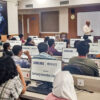










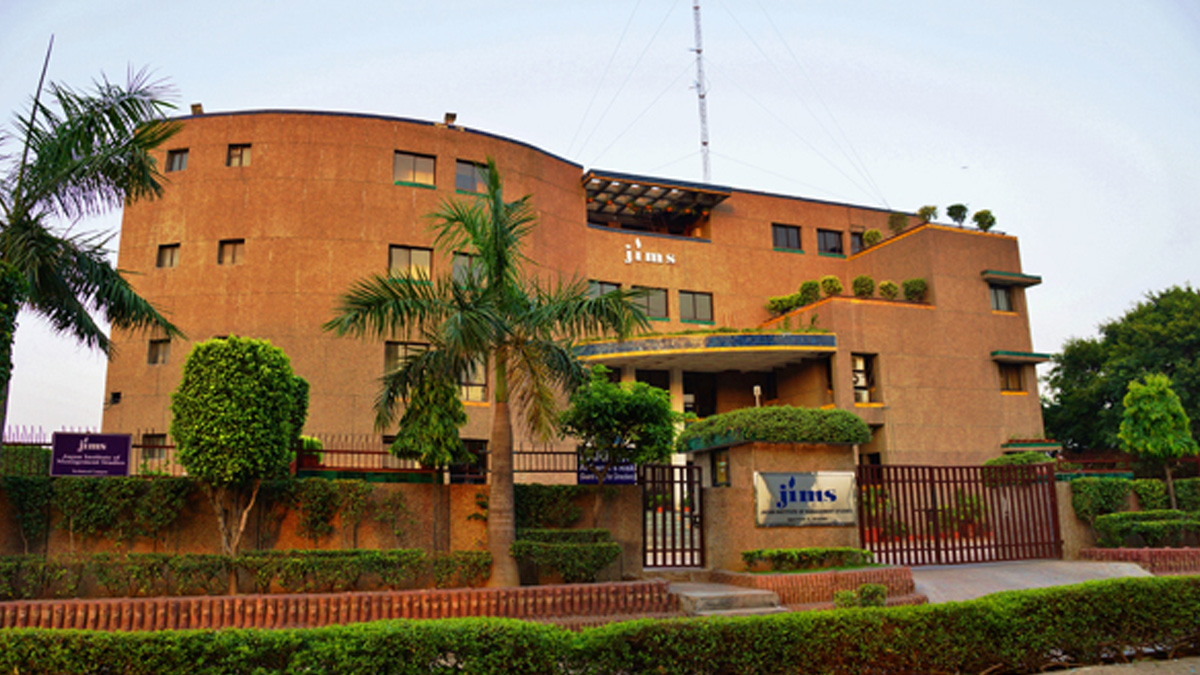
Jagan Institute of Management Studies, Rohini (IMS Rohini) hosted the National IB Conclave 2026, a one-day national-level conference examining the impact of geopolitical turmoil on business in emerging markets. The conclave was organised by the PGDM–International Business department and brought together policymakers, industry leaders, academicians, researchers, and students for in-depth deliberations on shifting global business dynamics.
The discussions focused on how trade realignments, geopolitical conflicts, sanctions, and evolving global alliances are reshaping economic opportunities and vulnerabilities for emerging markets, including India. Speakers in the inaugural session underlined the implications of the emerging global order for India’s trade, finance, and energy security.
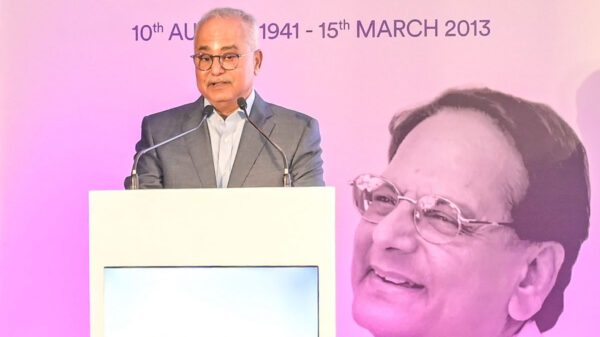
Delivering the keynote address, Ashok Bhagat, Dean – Corporate Relations and Placements at IMS Rohini, highlighted the growing relevance of geopolitical developments in the contemporary global business environment and their direct impact on the Indian economy.
Sonia Dhir, Program Head, Department of International Business, emphasised the importance of such academic–industry platforms in providing students with experiential, beyond-classroom learning. She also outlined key policy reforms introduced by the Government of India in 2025 and their expected influence on how Indian businesses navigate future geopolitical challenges.
The first panel discussion, “Business Under Impact – Quantifying Challenges from Geopolitical Turmoil in Emerging Markets,” examined the economic consequences of geopolitical uncertainty, including trade disruptions, commodity price volatility, capital flow risks, supply chain restructuring, and rising operational costs. Panelists stressed the need for Indian firms to diversify export destinations beyond traditional markets such as the United States, enhance product quality, and ensure that ease-of-doing-business reforms are implemented effectively on the ground.
The second panel, “India’s Way Forward – Strategic Responses to Geopolitical Turmoil,” explored strategies to strengthen India’s resilience through trade diversification, diplomatic engagement, energy and technology partnerships, and regional cooperation. Key deliberations included managing balance of payments challenges, leveraging free trade agreements, promoting local-currency trade, diversifying energy sources, and strengthening domestic financial instruments.
Panelists also identified growth opportunities in fintech, digitisation, clean and green energy, electric vehicles, defence manufacturing, and semiconductor development, supported by infrastructure upgrades and India’s demographic and manpower advantage.
The conclave featured speakers from industry, government, and academia, including representatives from the Reserve Bank of India, export promotion bodies, manufacturing and services firms, and international business experts.
The event concluded on an optimistic note, with speakers noting that despite challenges such as currency pressures and rising capital costs, India is steadily aligning its democratic values with long-term strategic business and economic interests in a rapidly changing global landscape.
Author