




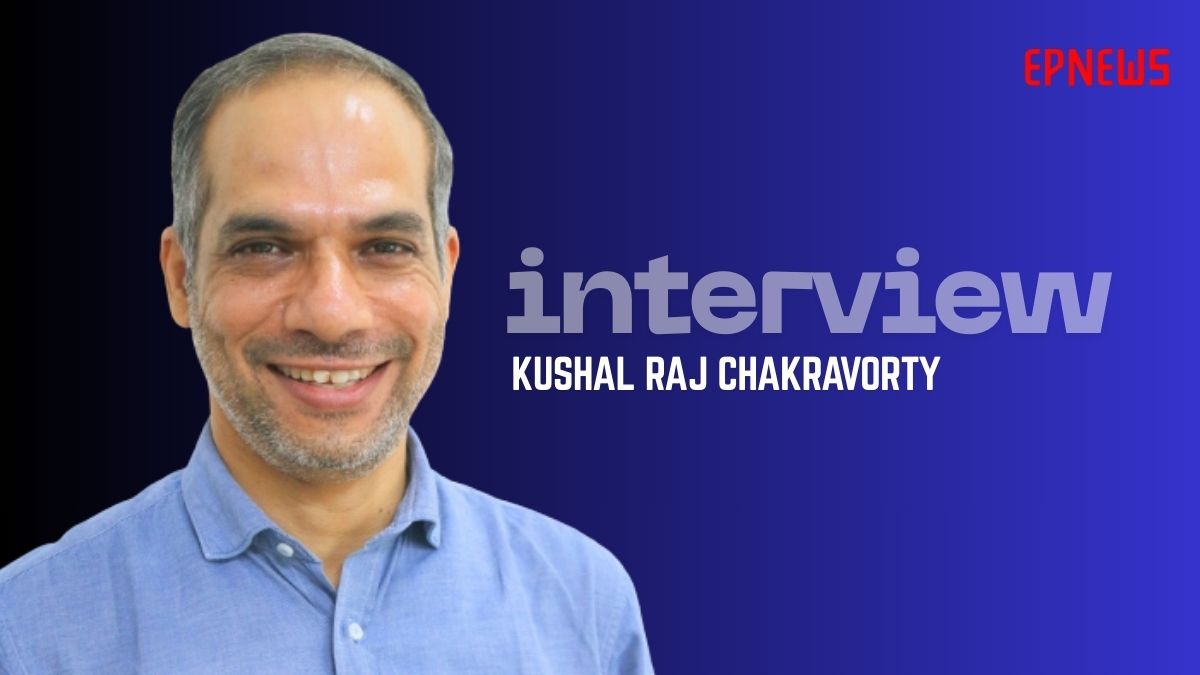
At a time when learning gaps, teacher shortages and student well-being are emerging as defining challenges for India’s education system, Lotus Petal Foundation is building an integrated school model that goes far beyond access. From nutrition and counselling to digital classrooms and career pathways, the Foundation’s approach places the child—academically, emotionally and socially—at the centre of learning. In this interview, Kushal Raj Chakravorty, Founder of Lotus Petal Foundation, explains how Lotus Petal Senior Secondary School and the Vidya Sahyog programme are working together to improve learning outcomes for underserved students and prepare them for a rapidly evolving world.
What is Lotus Petal Senior Secondary School doing differently to improve learning outcomes for underserved students?
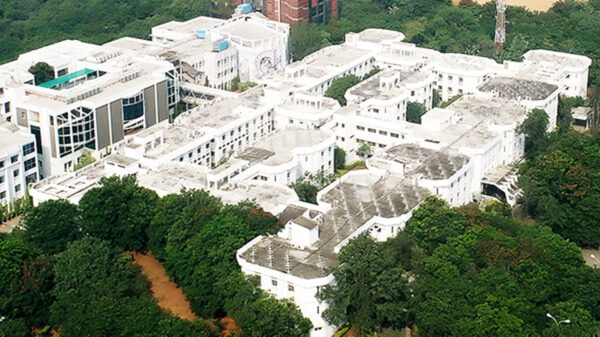
Lotus Petal Senior Secondary School is fully dedicated to serving students from underserved backgrounds. With state-of-the-art infrastructure, the campus offers a learning environment at par with leading schools. Strong emphasis is placed on building foundational skills, with the curriculum structured around students’ learning levels and socio-economic realities. Parents are treated as partners in the learning process. Through regular parent–teacher meetings and dedicated counselling sessions, families are actively engaged in their children’s academic journeys. This helps parents create supportive study environments at home and better understand how to guide their children’s progress. Together, this integrated approach not only improves learning outcomes but also helps families envision a future where their children can participate confidently in mainstream society.

Learning is approached holistically. Before academics begin, efforts are made to stabilise each child’s overall well-being. Every school day starts with guided meditation to help students calm their minds and focus. A well-structured counselling team, including a special educator and health and career counsellors, supports students’ emotional and mental health.
Nutrition is integrated into the learning process, with all students receiving a nutritious breakfast and lunch daily. Meals are planned by a nutritionist to provide approximately 550 kilocalories and 18 grams of protein per child. Students are also taken on corporate exposure visits, excursions, and exhibitions, helping broaden their horizons and motivating them to aspire towards a better future.
How do you blend academics, life skills and digital literacy in your classrooms?
Learning is treated as a connected experience where academics, behaviour, life skills and digital fluency grow together. All classrooms are smart technology enabled supported by four fully equipped computer labs and a digital marketing lab for skill based learning of senior secondary students. Life skills are nurtured through a strong co-curricular framework. The Health Club focuses on well-being and healthy practices, while the Eco Club promotes sustainability and environmentally responsible behaviour. Creative expression is actively encouraged through Dance, theatre, music, art and sports are supported by a dedicated performing arts room and facilities such as a recently inaugurated pickleball court. Ultimate Frisbee, a no-contact sport played regularly by our students, in which both boys and girls can participate, promotes life skills, leadership and gender sensitisation.
Academic learning is strengthened through STEM exposure via well-equipped labs in chemistry, biology, physics and astronomy
Academic learning is strengthened through STEM exposure via well-equipped labs in chemistry, biology, physics and astronomy. Alongside this, skill-based labs in hospitality, retail and digital marketing prepare students for diverse career and academic pathways. Beyond the classroom, students are exposed to field trips, educational visits, inter-school sports and cultural competitions, and platforms such as Model United Nations. These experiences broaden perspectives, build confidence, and help students apply classroom learning to real-world contexts. Together, this integrated approach ensures academic rigour, creativity, and skill development evolve in tandem, preparing students for the future.
What gaps in the current education system are you trying to address through your school model?
One of the most persistent gaps in the education system is the disconnect between schooling and real-world readiness. While many young people complete formal education, they often lack the skills, exposure, and confidence needed to transition into higher education or the workforce. Lotus Petal Senior Secondary School is designed to bridge this gap.
The campus with State-of-the-art infrastructure enables students to engage deeply with skills-based, digital, and experiential learning. This environment supports a strong focus on preparing students to become future-ready knowledge workers. Through a structured approach, students are encouraged to develop critical thinking, problem-solving, and decision-making abilities from an early stage.
Technology and AI-led programs are integrated into teaching and learning processes to personalise instruction, identify learning gaps, and improve academic outcomes. These tools allow educators to respond more effectively to students’ individual learning needs, strengthening both comprehension and application.
The model also recognises that learning cannot be separated from well-being. Dedicated time for guided meditation is built into the school day to help students regulate attention and reduce stress. This is complemented by strong co-curricular programmes across sports, arts, and cultural activities, ensuring balanced development beyond academics.
Good health and holistic well-being are treated as foundational to education. Two nutritious meals meeting their 550 Kcal and 18 g protein requirement each day, counselling support, and structured physical activity ensure students are physically and emotionally equipped to learn and grow.
In addition, through the Vidya Sahyog digital live interactive teaching program, Lotus Petal Foundation is addressing teacher shortages across 275+ schools in 18 states. The program strengthens Foundational Literacy and Numeracy (FLN) by connecting students in remote and underserved areas with trained subject teachers through two-way, live digital classrooms. This ensures continuity of instruction, real-time engagement, and classroom-like interaction, significantly improving early learning outcomes while strengthening teaching capacity where in-person teachers are limited.
Together, these interventions form a model that goes beyond access to education, preparing students to participate meaningfully in an evolving, skills and technology driven world.
How do your teachers support first-generation learners who may not have educational guidance at home?
Teachers at Lotus Petal Senior Secondary School recognise that many first-generation learners do not have academic guidance available at home. This reality is also reflected in ASER findings, which show that a large number of children struggle with basic reading and numeracy skills even after several years of schooling, underscoring the need for strong in-school academic support.
Education guidance is factored in our intervention model. The involvement of parents in the child’s education journey. Teachers take on an active mentoring role, guiding students through daily learning routines, homework practices, and exam preparation. Parental involvement is strengthened through a dedicated counselling team that works closely with families, even where parents may not have formal education themselves. Parents are supported in understanding their child’s learning needs and are guided on creating simple study routines and environments at home that reinforce classroom learning.
Academic progress is closely tracked through an Academic Quality Assessment framework managed by the monitoring and evaluation team. This allows teachers to continuously refine instruction, identify students who need additional guidance, and ensure that every learner receives consistent, structured academic support throughout the year. In addition, after-school study circle programmes provide focused support to learners who need extra help.
What role do nutrition and wellbeing programs play in improving student focus and performance?
Nutrition and wellbeing sit at the heart of learning. Balanced meals planned by a nutritionist help children remain calm, attentive and present. They are served with 550 kcal and 18 gms of protein each day, and there is nutritious breakfast served each day. Yoga and meditation support emotional regulation and focus. Regular health check-ups reduce absenteeism. Secondary treatment is also supported. In case of anaemic students, a separate meal plan is created. Equally important is mental and emotional wellbeing. A structured counselling team supports children through anxiety, trauma and self-doubt. When children feel safe in their bodies and minds, learning accelerates naturally.
How is Lotus Petal using technology or innovative teaching methods to strengthen foundational learning?
Lotus Petal Foundation’s education model operates through two integrated verticals: Lotus Petal Senior Secondary School (LPSSS) and the Vidya Sahyog program, both designed to strengthen learning outcomes while addressing systemic gaps in access and quality. At LPSSS, every classroom is enabled with smart learning technology, supported by four fully equipped computer laboratories that give students consistent, hands-on digital exposure. Teaching is delivered by innovative and interactive methods that move beyond rote learning, encouraging curiosity, participation and conceptual understanding. Academic instruction is further enriched through corporate exposure, participation in competitions and exhibitions, and regular educational excursions, helping students connect classroom learning with real-world contexts.
The Vidya Sahyog digital live interactive teaching program extends this commitment to quality education into remote and underserved regions of the country. The program delivers real-time interactive classes, intentionally avoiding pre-recorded content, so students experience learning that is as close as possible to having a teacher physically present in the classroom. With a strong focus on Foundational Learning and Numeracy (FLN), Vidya Sahyog ensures early learning gaps are addressed while maintaining high engagement and continuity. To date, the programme has reached over 10,000 students in 275+ schools across 18 states in India, significantly improving access to quality teaching where it is most scarce.
What kind of career or higher-education pathways do you aim to create for your students?
Career awareness for students begins early through exposure visits, professional interactions and annual career fairs. Senior students receive structured guidance on subject choices, along with access to scholarships for higher education. At Class 11 level, students can choose the vocational stream, offered as part of the CBSE curriculum, providing practical and employment-oriented pathways alongside academics. Coaching support is also extended to students aspiring to careers in engineering, medicine, nursing and allied fields.
The Jeevika Skill Development Program further strengthens employability through NSDC-certified training in digital marketing, hospitality, hardware and networking, retail and BFSI. Strong alumni networks are intentionally nurtured so current students can see lived examples of possibility. The Foundation remains closely connected with its alumni, organised through an alumni association who organise regular events to facilitate interaction with students, tracking their progress, and offering continued support through mentoring and counselling. The aim is clear: to enable young people to build skills, confidence and genuine agency over their futures.
Author